Did you know that maca thrives at altitudes between 4,000 and 4,500 meters in the central Andes, environments so harsh that almost no other food crop can survive there? That single fact tells you almost everything you need to know about Maca Root Science and Andean Heritage: this is a plant that had to be tough, nutrient-dense, and deeply woven into the survival of the people who grew it.
¡Bienvenido! Welcome. We are so glad you're here to learn about one of Peru's most fascinating roots.
Key Takeaways
| Question | Quick Answer |
|---|---|
| What is maca root, really? | A cruciferous root vegetable grown in the high Andes, related to broccoli and radishes, and used in Peru for thousands of years. |
| Is maca root powder good for energy? | Yes, it has traditionally been used to support stamina and vitality, and modern maca root science backs up several of those energizing traditions. |
| What's the difference between maca powder and maca peruana powder? | Nothing! "Maca peruana" is simply the Spanish/Portuguese term for Peruvian maca powder, the authentic source. |
| How do I use maca root powder daily? | Stir a teaspoon into smoothies, oatmeal, or coffee. Check our recipes page for more ideas. |
| Where does Allpa source its maca? | Directly from Peruvian farming communities through fair-trade partnerships. Learn more on our Why Us page. |
| Is maca root safe to take every day? | For most healthy adults, yes, though we always recommend checking our FAQ page or a doctor for personal guidance. |
| Why does Andean heritage matter for maca quality? | Because the plant's unique nutrient profile depends on the extreme altitude and soil conditions of its native Andean growing regions. Learn more about our roots as a company. |
Maca Root Science and Andean Heritage: Where the Story Begins
Long before "superfood" was a marketing word, maca was simply food. Andean communities in the Junín Plateau region of Peru have grown and eaten this root for a very long time.
Archaeological evidence points to somewhere between 1,300 and 2,000 years of domestication and traditional use in the Andes. That's not a trend. That's a cultural story passed down through generations of farmers.
At Allpa Foods, this is exactly the kind of history we love to share. Maca Root Science and Andean Heritage go hand in hand: you can't fully understand one without the other.
What Is the Root of Maca, Exactly?
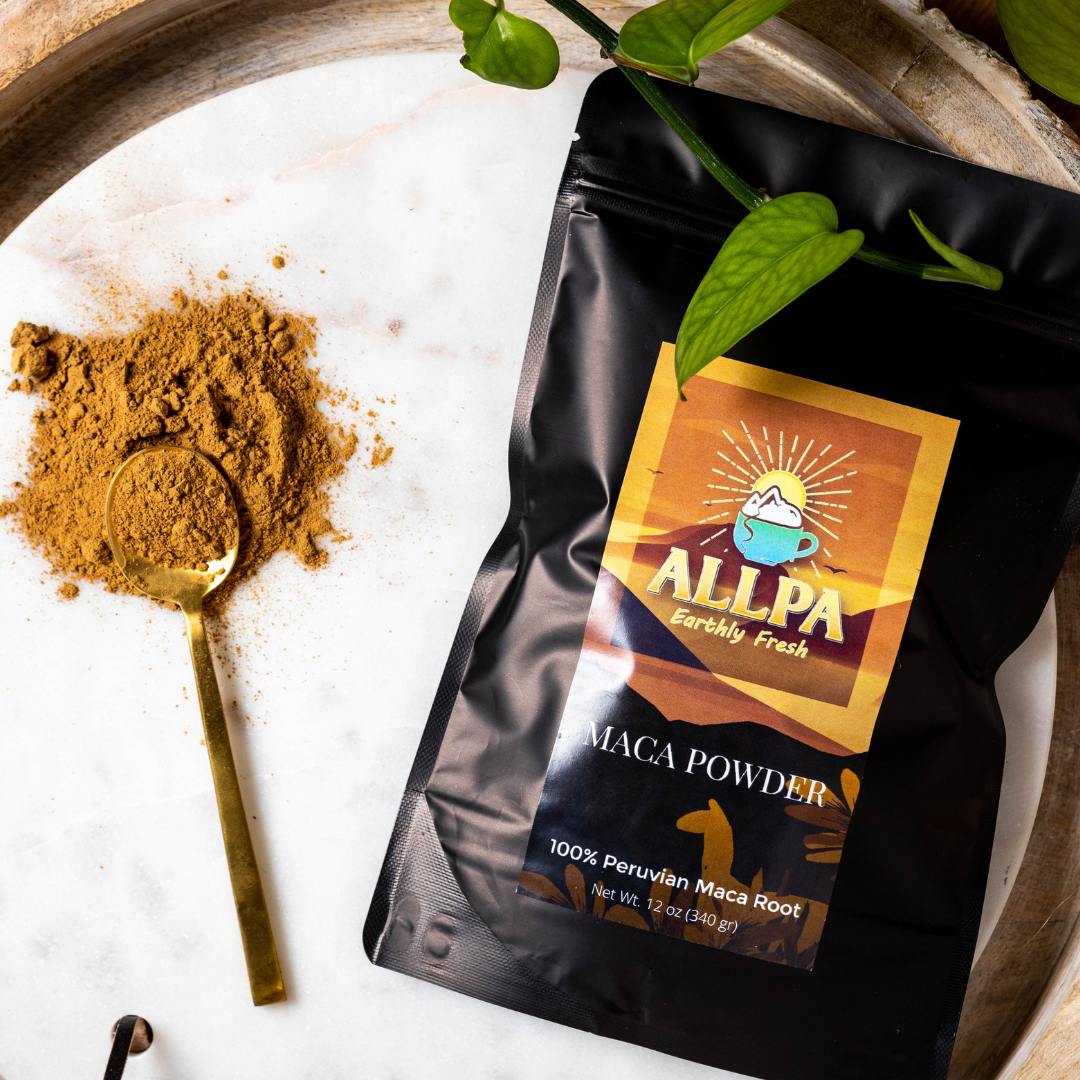
Maca (Lepidium meyenii) is a cruciferous vegetable, a cousin of broccoli, cabbage, and radishes. The root of maca looks a bit like a small turnip or radish, and it grows underground in some of the most extreme farming conditions on Earth.
Some people search for "maca maca root" or "maca maca powder," but they're really just looking for one thing: pure, high-quality maca root powder made from the actual root, not the leaves or stem.
Here's why that distinction matters:
- The root is where the concentrated nutrients and bioactive compounds live.
- The powder is simply the dried, ground root, nothing added, nothing hidden.
- The Andean heritage behind it means the plant was bred over centuries specifically for its root, not its greens.
The Nutritional Science Behind Maca Root Powder
This is where Maca Root Science and Andean Heritage get genuinely interesting. Maca isn't just a pretty story, it's a nutrient powerhouse backed by real data.
On a dry weight basis, maca root contains between 8.9% and 21% protein, which is remarkably high compared to other root vegetables like potatoes. It's also rich in fiber, essential amino acids, fatty acids, vitamin C, copper, iron, and calcium.
Maca root also contains bioactive compounds that scientists have studied for their role in sexual dysfunction regulation, neuroprotective effects, memory enhancement, antidepressant and antioxidant activity, and skin protection. That's a long list of benefits for one humble root!
Dried maca powder also packs a caloric punch, around 325 kcal per 100 grams, which historically made it an efficient fuel source for Incan soldiers marching through the mountains.
From Andean Fields to Your Kitchen: The Heritage Behind Maca Peruana Powder
If you've seen the term "maca peruana powder" while shopping, don't overthink it. It simply means Peruvian maca powder, the real, original source of this root.
There are actually 13 known varieties of maca, ranging in color from cream to purple to black. Yellow maca is the most common and commercially desirable variant, making up close to 47.8% of what's grown and sold.
Peru remains the world's leading exporter of maca. In just the first eight months of 2023, Peru shipped roughly 1,830 tons of maca to buyers around the globe. That's a lot of root traveling from small Andean farms out into the wider world.
We work directly with Peruvian farmers under fair-trade partnerships to preserve traditional harvesting methods. By choosing Allpa Foods, you're helping build economic bridges between wholesome food shoppers and the small farming communities who keep this heritage alive.
Maca root survives in harsh Andean mountain environments that few crops can endure.
Allpa Organic Peruvian Maca Root Powder: Our Maca Powder, From Farm to You
Our Allpa Organic Peruvian Maca Root Powder 12oz is priced at $12.99 and sits at the heart of our superfoods lineup.
ONE. It's organic, meaning no synthetic pesticides touched the root before it reached you.
TWO. It's ethically sourced through fair-trade partnerships that preserve traditional Andean harvesting methods.
THREE. It's pure maca root powder, nothing diluted, nothing added, just the root that has fueled Andean communities for centuries.
It's like a secret ingredient that makes everything a bit healthier and more exciting! You can browse our full superfoods collection to see how maca fits alongside our other Peruvian staples.
How to Use Maca Root Powder in Your Kitchen
Maca root powder has a slightly nutty, malty flavor. It blends beautifully into all sorts of everyday foods.
Here are a few easy ways to work it in:
- Stir a teaspoon into your morning smoothie or oatmeal.
- Blend it into coffee or cold brew for a natural, earthy boost (we even have a maca foam cold brew recipe on our blog).
- Mix it into baked goods like muffins or energy bites.
- Add it to homemade energy balls alongside our Peruvian lucuma powder for natural sweetness.
It's pretty cool to think that by adding some maca root powder to your breakfast, you're connecting with ancient traditions and supporting farmers far away in the Andes!
Maca Root Science and Andean Heritage in Modern Wellness Research
Modern science is finally catching up to what Andean communities have known for centuries. Researchers have looked closely at maca's effects on hormonal balance, mood, and energy.
One notable study found that participants who took 2 grams of maca per day for 12 weeks saw a significant improvement in sperm concentration among males with low sperm counts. That's a striking finding for a root that's been part of Andean diets for over a thousand years.
Dried maca is also mineral-rich, delivering roughly 2,050 mg of potassium per 100 grams. That's a meaningful amount compared to many other everyday foods, and it's part of why researchers keep coming back to this root as worthy of study.
We're not scientists here at Allpa Foods, but we love following the maca root science that keeps validating what Andean farmers already knew: this root is special.
Pairing Maca with Other Peruvian Superfoods
Maca doesn't have to work alone. Peru is rich and diverse in healthy, wholesome food, and many of our other products pair beautifully with maca root powder.
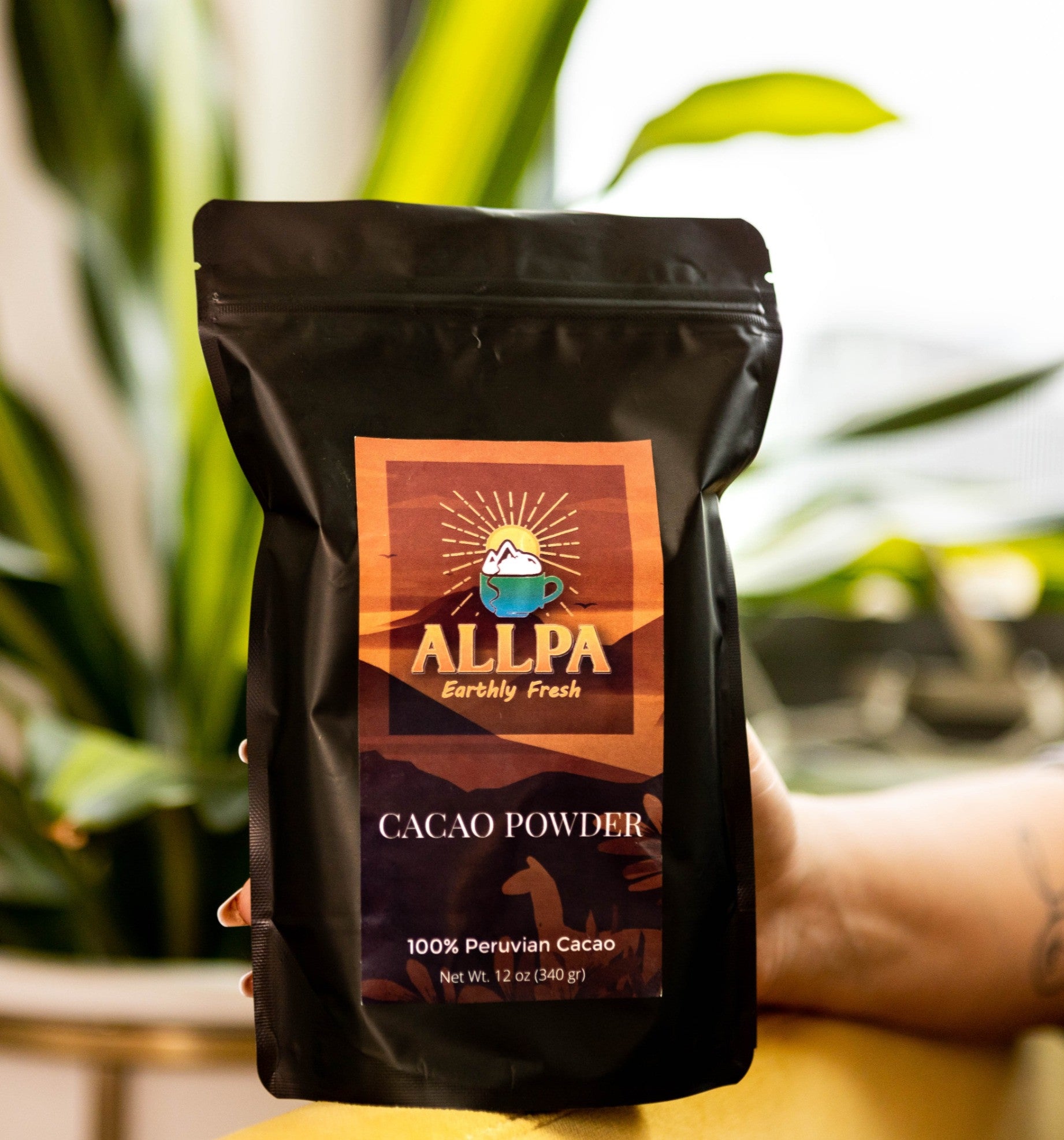
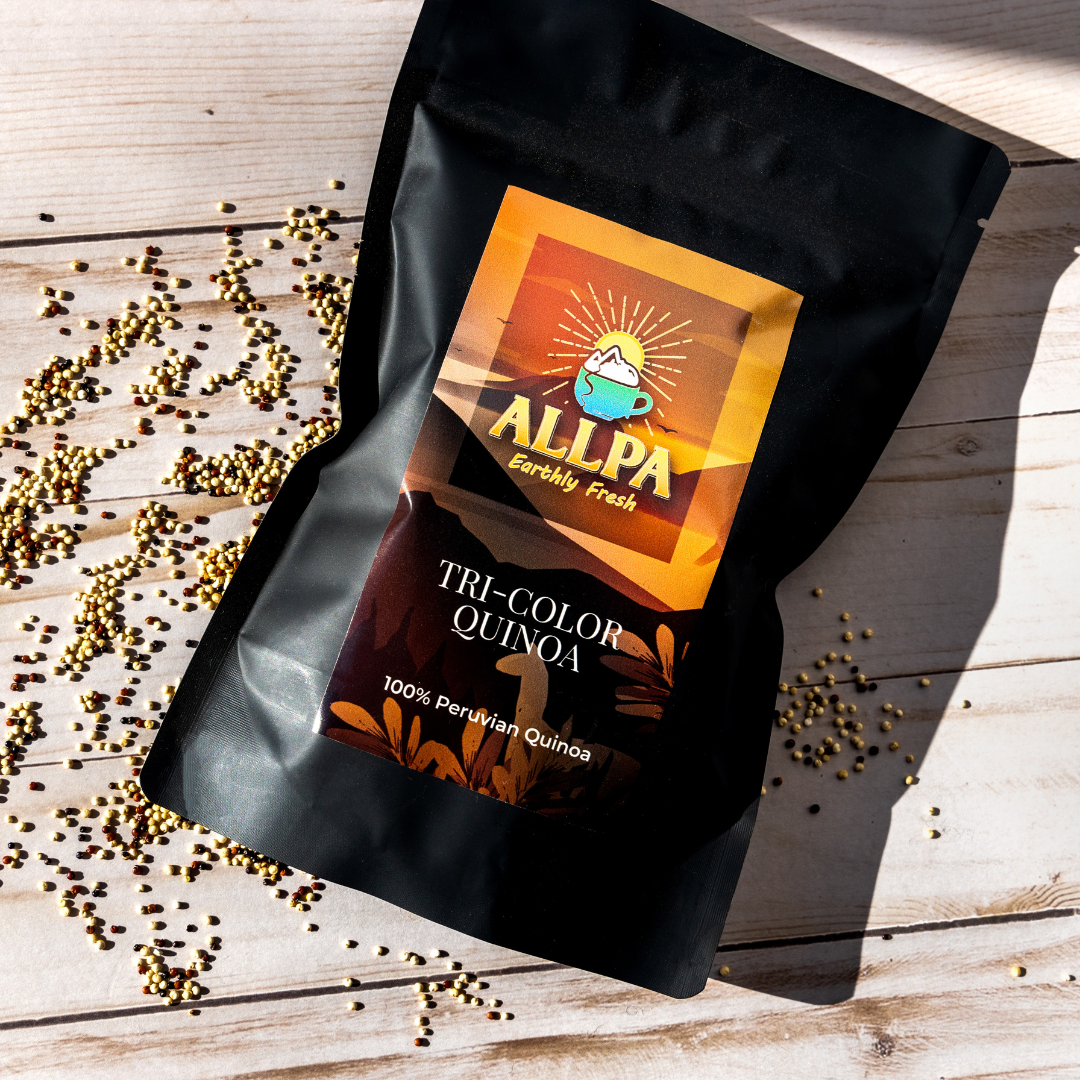
Try maca with cacao powder ($13.99) for a rich, chocolatey smoothie. Add it to tri-color quinoa ($10.99) porridge for a hearty, protein-packed breakfast.
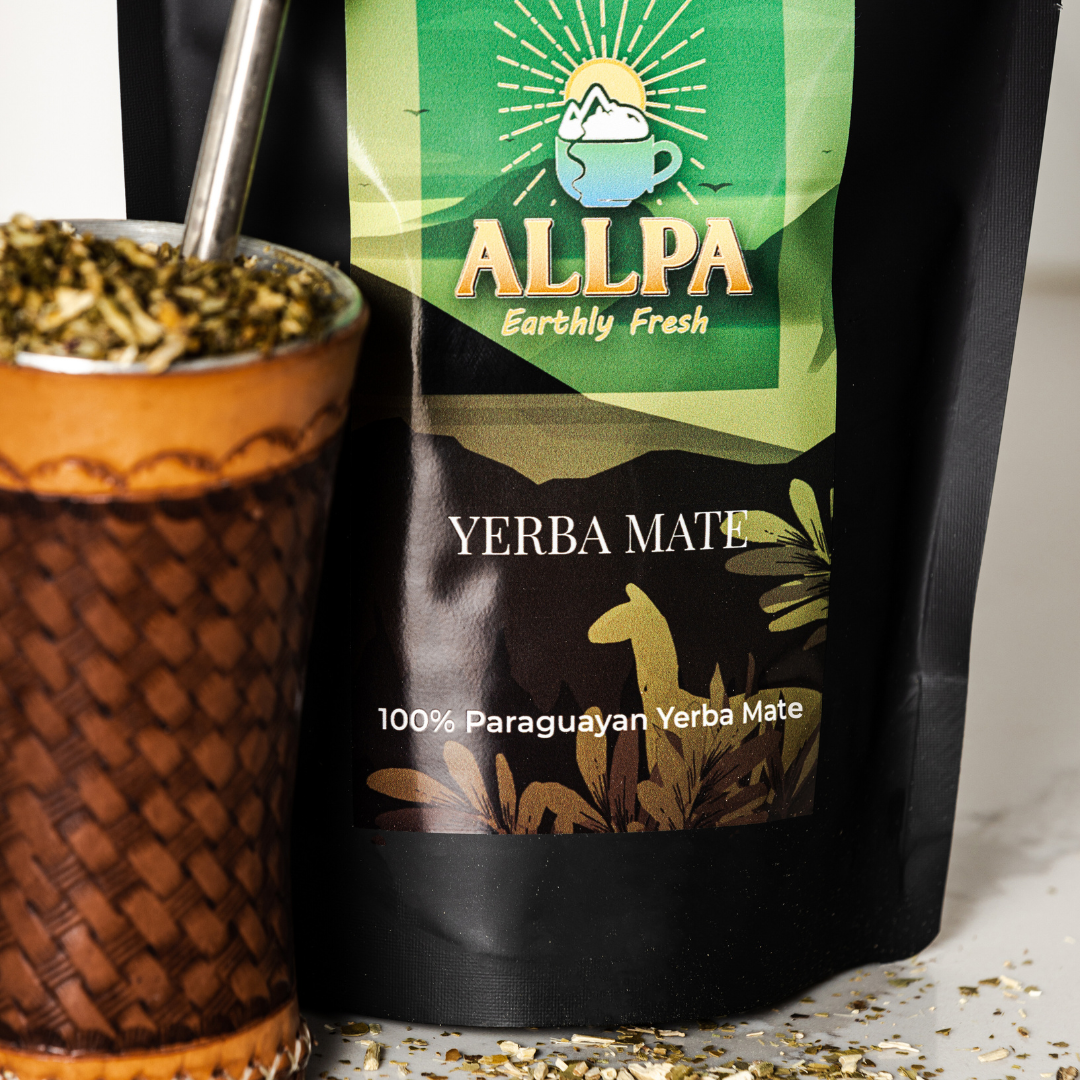
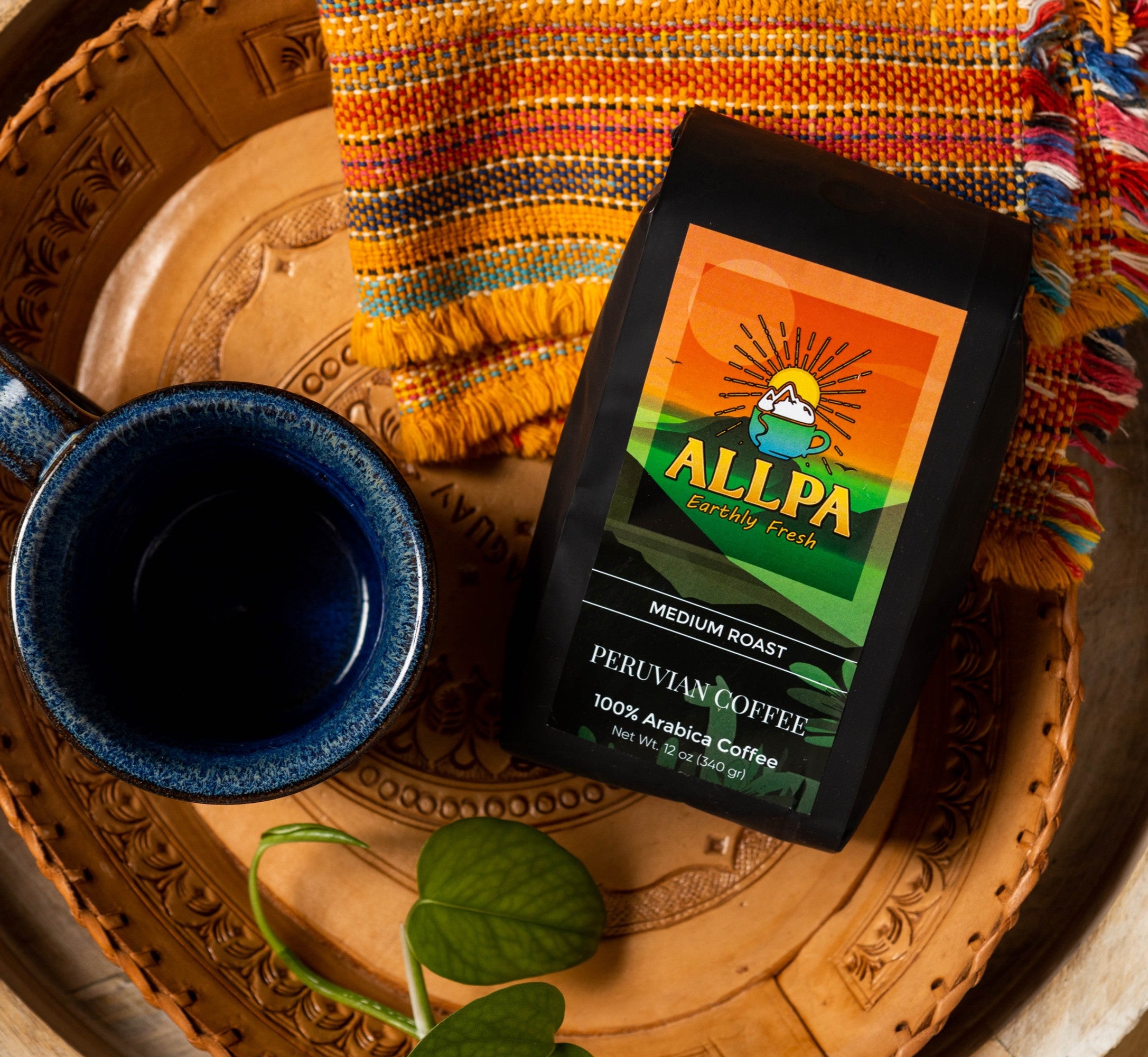
Or stir it into a cup of Paraguayan yerba mate ($10.99) for a double dose of natural, sustained energy. If you're a coffee drinker, our Peruvian coffee medium roast ($17.99) with a scoop of maca is a genuine morning ritual, not just a trend.
Why Choose Allpa Foods for Your Maca Root Powder
At Allpa Foods, our mission is to provide wholesome and natural food products that tell a cultural story. Maca is a perfect example of that mission in action.
By choosing Allpa Foods, you're contributing to the economic well-being of local farming communities in the Andes.
Here's what sets our maca apart:
- Sustainably & ethically sourced, direct from Peruvian farmers through fair-trade partnerships.
- Traditional harvesting methods preserved, so the Andean heritage behind every scoop stays intact.
- Pure, organic maca root powder, no fillers, no shortcuts.
You can read more about our story on the our mission page, or browse our full collection of Peruvian products to see everything we offer alongside maca.
Maca isn't just for health nuts. It's for anyone who wants to add a little ancient wisdom to their daily routine, alongside our grains and seeds or natural sweeteners.
Conclusion
Maca Root Science and Andean Heritage aren't two separate topics, they're one story told through soil, generations of farmers, and, now, modern research. From surviving at 4,000+ meters to showing up in real clinical studies, this root has earned its place in kitchens far beyond Peru.
We felt that maca root powder deserved a wider audience, the same way we've felt about Peruvian coffee and cacao. Our aim is to bring that story to your kitchen table, one scoop at a time.
Peru is rich and diverse in healthy and wholesome food. Try some maca today, and taste a little piece of the Andes for yourself.
Frequently Asked Questions
Is maca root powder worth trying in 2026?
Yes, maca root remains one of the most studied Andean superfoods heading into 2026, with ongoing research into its effects on energy, hormone balance, and mood. Given its long track record in Andean heritage and growing modern science backing, it's a low-risk, high-reward addition to most diets.
What does maca root powder taste like?
Maca root powder has an earthy, slightly nutty, malty flavor with a hint of natural sweetness. It blends well into smoothies, coffee, oatmeal, and baked goods without overpowering other flavors.
What is the difference between maca powder and maca peruana powder?
There isn't a real difference, "maca peruana powder" is just the Spanish and Portuguese term for Peruvian maca powder, the authentic, original source of this root. Genuine maca root powder should always be traceable back to Andean growing regions in Peru.
How much maca root powder should I take per day?
Many studies use dosages around 2 grams (roughly one teaspoon) per day, often taken over a period of several weeks. Always start with a smaller amount and check with a healthcare provider before adding any new supplement to your routine.
Does maca root really boost energy?
Andean communities have used maca for energy and vitality for over a thousand years, and its high protein and mineral content, including significant potassium, support that traditional use. Many people report noticeable stamina benefits, though individual results can vary.
Where does the best maca root powder come from?
The best maca root powder comes directly from the high-altitude Andean regions of Peru, particularly the Junín Plateau, where the plant has been cultivated for centuries. Peru remains the world's leading exporter of maca, which is why authentic Peruvian sourcing matters so much.
Can I use maca root powder in coffee or cold brew?
Absolutely, maca root powder blends smoothly into hot or cold coffee drinks and adds a subtle earthy note. It's become a popular pairing with Peruvian coffee for people looking to combine two Andean traditions in one cup.