
Welcome, friend. ¡Bienvenido! Today we are settling one of the most debated questions in the coffee world: Single-Origin Peruvian Coffee vs Blends, which is better? Consider this, a record-breaking single-origin Geisha coffee sold for over $30,000 per kilogram at the 2025 Best of Panama auction, proving just how seriously the world has come to value beans from a single, special place.
At Allpa, the word "allpa" means "Earth" in Quechua, the language of the Incas who possessed a strong respect for Mother Earth. So when we talk about coffee, we always begin with where it comes from.
Key Takeaways: Single-Origin Peruvian Coffee vs Blends
| Question | Quick Answer |
|---|---|
| What is single-origin coffee? | Coffee sourced from one place, like our single-origin Cajamarca coffee grown above 2,000m in Peru's northern highlands. |
| What is a blend? | A mix of beans from different farms or countries, crafted for balance and consistency cup after cup. |
| Which tastes better? | Single-origin offers distinct, "eye-catching" flavor notes. Blends offer smooth, dependable balance. |
| Which is better value? | Blends are usually cheaper. Single-origins, like our Peruvian medium roast at $17.99, deliver traceable quality. |
| Which should beginners choose? | Blends are forgiving for daily milk-and-sugar drinkers. Single-origin rewards those who drink it black. |
First, the Origin Story: Why Peru Is a Hidden Gem
In the world of coffee connoisseurs, certain regions often dominate the conversation. Colombia and Ethiopia get all the spotlight, while Peru sits quietly as an under-represented treasure trove.
Our aim is to change this. Nestled in the majestic Andes mountains and the lush Amazon rainforest, Peru offers the perfect conditions for growing coffee that's as rich in flavor as the country's history.
Every culture has a story to tell through its food. Peruvian coffee is a story of high altitude, careful hands, and generations of farming wisdom passed down like a family heirloom.
Single-Origin Peruvian Coffee vs Blends: What's the Real Difference?
Let us keep this simple, the way the Incas might have explained it. Single-origin is one place. Blends are many places combined.
Single-origin coffee comes from a single farm, cooperative, or region. Our Cajamarca single-origin grows in one specific corner of Peru's northern highlands, so every sip tastes of that exact soil and sunlight.
Blends are roasters mixing beans from different origins to create one consistent profile. Think of it like a recipe, where each bean plays a small part in the final harmony.
Neither is wrong. They simply answer different questions about what you want in your morning cup.
Flavor Showdown: Single-Origin Peruvian Coffee vs Blends
This is where the single-origin truly shines. Because the beans all come from one place, the flavor tells a clear and honest story.
Peruvian single-origin coffee from high altitudes often carries gentle notes of chocolate, caramel, and soft nuttiness. It is smooth and naturally balanced, never harsh.
Blends, on the other hand, are built for reliability. The roaster balances the bright with the heavy so the cup tastes the same every single morning, no surprises.
If you love discovering the "eye-catching" character of a region, single-origin wins. If you want a wholesome, dependable cup, a good blend is your friend.
Interestingly, only 23% of coffee drinkers prefer their coffee black. Single-origin coffees are usually recommended black so you can taste the terroir, while the 77% who add milk or sugar often find blends suit them beautifully.
The Price Question: Single-Origin Peruvian Coffee vs Blends on Your Budget
Let us talk about money, honestly. Single-origin coffees tend to cost a little more because they are traceable, seasonal, and grown in smaller, careful batches.
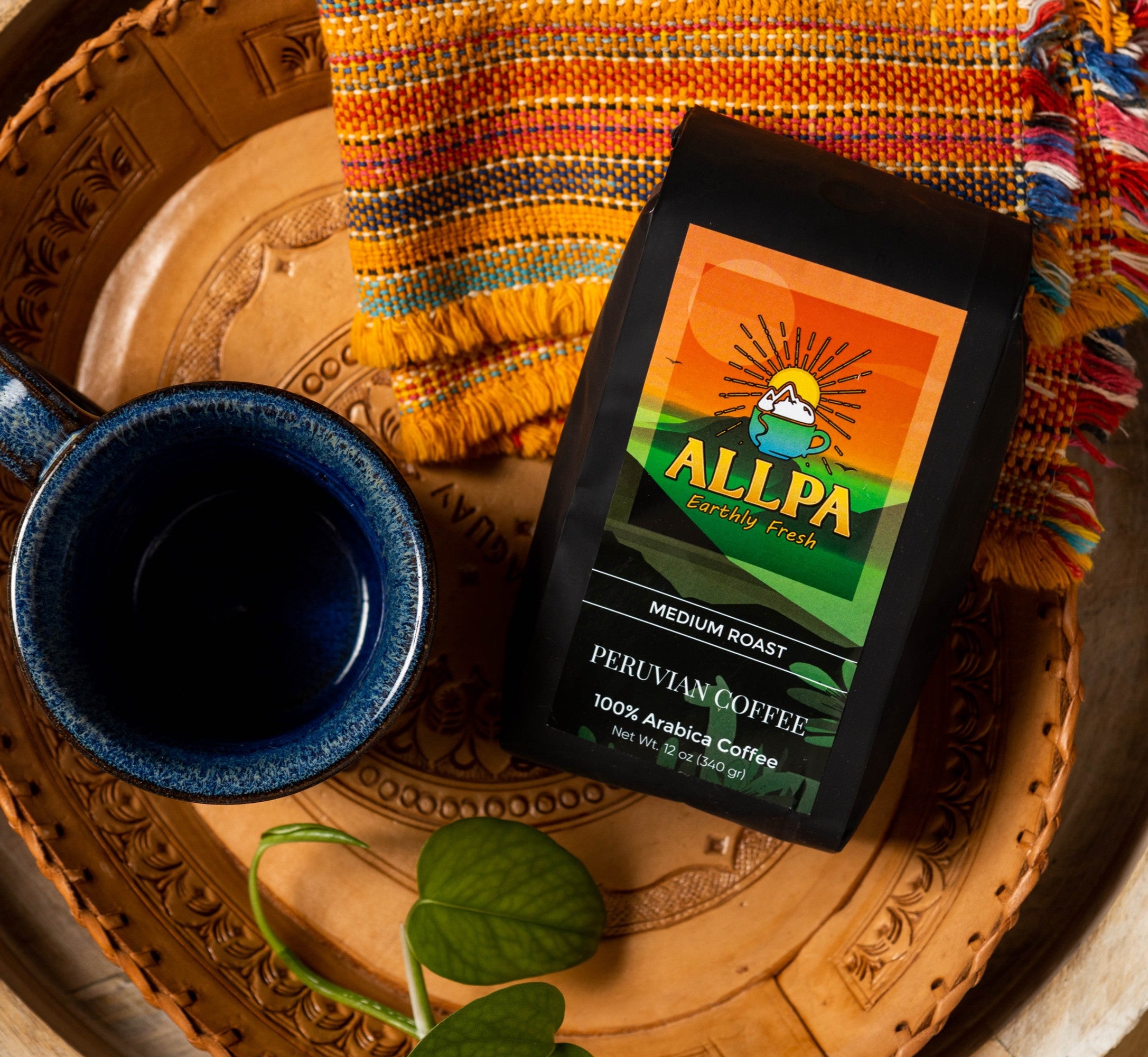
Our Allpa Peruvian Coffee Medium Roast Whole Bean 12oz is $17.99, which works out to about $1.50 per ounce of single-origin quality.
Blends are often the budget choice because roasters can swap beans to keep prices stable. For everyday drinking, they are friendly to the wallet.
The average American spends roughly $1,100 on coffee each year, so choosing between price-stable blends and premium single-origins is a real financial decision worth thinking about.
Consistency vs Adventure: Which Suits Your Routine?
Here is the heart of the matter, told in three simple parts.
ONE. If you crave the same comforting cup every day, blends deliver that promise without fail.
TWO. If you enjoy tasting the difference a single harvest makes, single-origin Peruvian coffee is an adventure in your mug.
THREE. If you want both, many of us in the Allpa Family keep a single-origin for slow weekend mornings and a blend for busy weekdays.
A side-by-side comparison of Single-Origin Peruvian coffee vs blends. Learn which option may suit your taste, budget, and sustainability goals by examining three key factors.
Brewing Matters: Honoring the Bean With the Right Method
However you choose, the brewing method shapes the final cup. Single-origin beans especially deserve a method that lets their character sing.
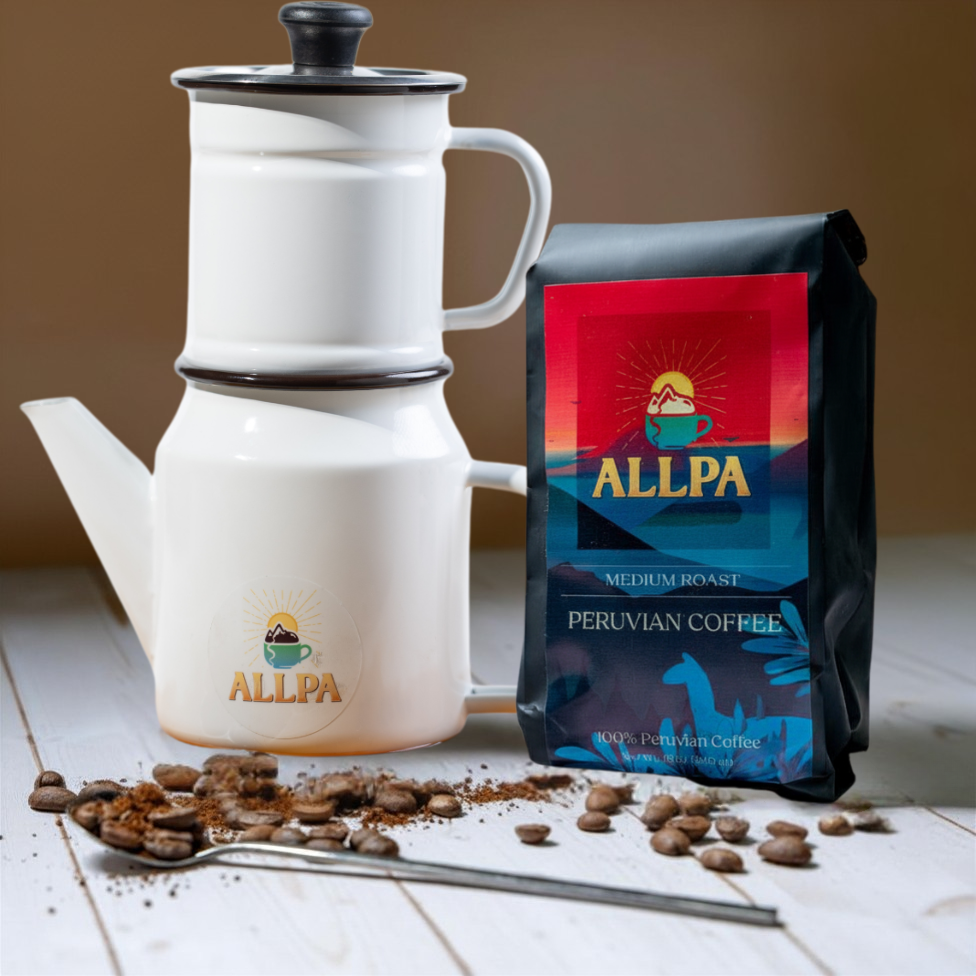
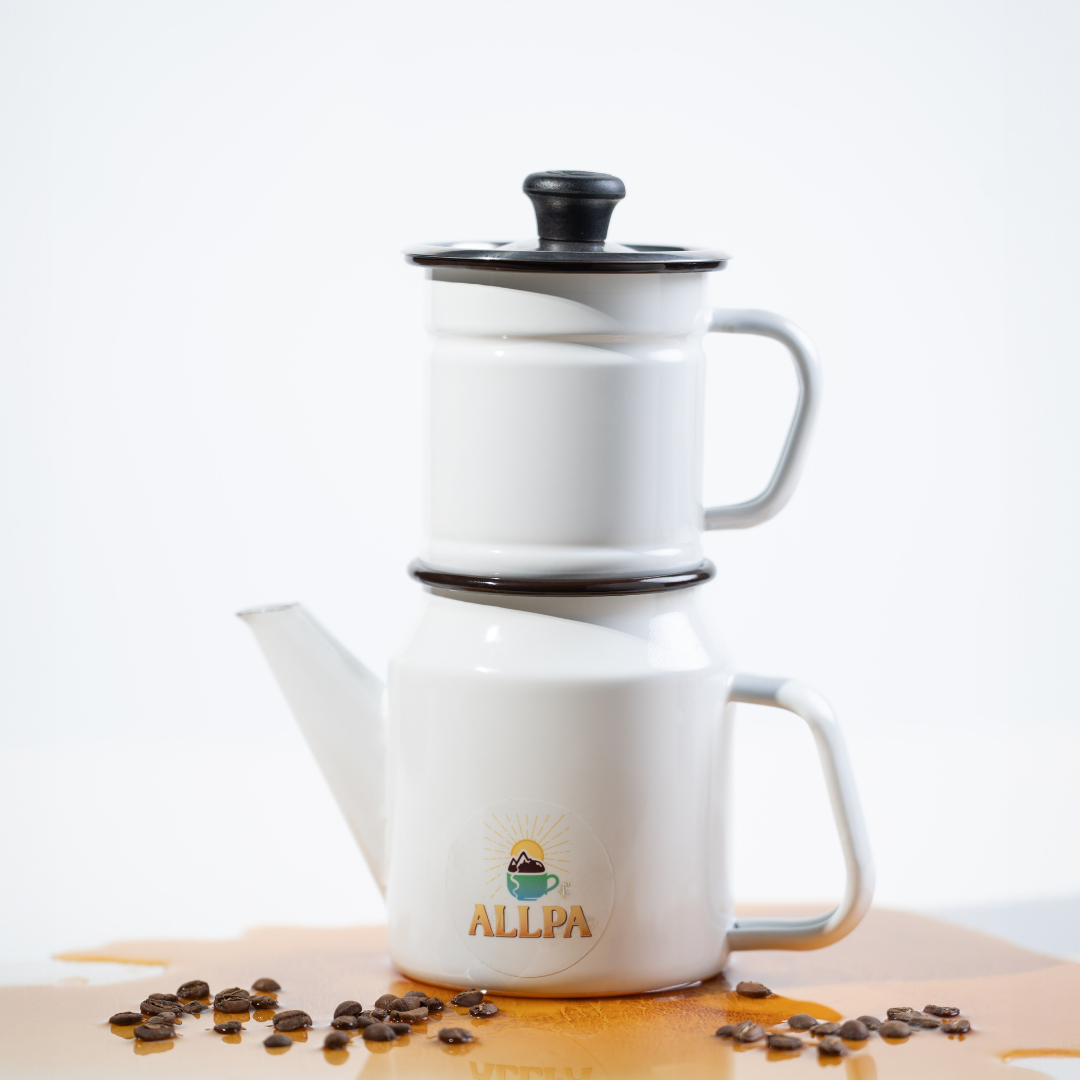
This is why we love the traditional Peruvian Cafetera Gota a Gota at $44.99, a "drop-by-drop" brewer designed for a slow, aromatic extraction.
The slow drip encourages a smooth, clean flavor that reveals every gentle note hiding inside the bean. It is the kind of ritual that turns a quick coffee into a quiet moment of conscious consumption.
Sustainability and the Story Behind the Cup
We also felt that while it's easy to tell the health benefits of superfoods, it's not as popular to tell the origin story of where superfoods come from. Coffee deserves the same respect.
Single-origin coffee carries traceability built right in. You know the region, the altitude, and often the very cooperative of farmers who grew it.
That transparency makes it easier to support fair-trade partnerships and the families who tend these crops in the Andes. Through our TRAVELS we've come to realize that FOOD is one of the most important aspects of any CULTURE, and coffee is no exception.
Pairing Your Coffee With Other Peruvian Treasures
A great cup is even better with good company. Peru offers a whole pantry of wholesome companions for your coffee ritual.
Our Premium Peruvian Cacao Powder ($13.99) is the "Food of the Gods," and artisan chocolate producers constantly use Peruvian cacao to produce some of the best chocolate in the world. Stir a spoonful into your coffee for a mocha moment.
For a naturally sweet touch, our Lucuma Powder ($13.99) is the gold of the Incas. Imagine a fruit that's sweet like maple syrup, creamy like custard, and good for you all at the same time.
And for an extra lift, our Organic Peruvian Maca Root Powder ($12.99) has supported energy and vitality in Peru's traditional practices for centuries.
So, Single-Origin Peruvian Coffee vs Blends: Which Is Better?
Here is our honest verdict. If you value distinct flavor, traceable sourcing, and a true sense of place, single-origin Peruvian coffee is better for you.
If you value consistency, smoothness, and a friendly price for everyday drinking, a quality blend is the better fit.
The most beautiful answer? There is room for both in your kitchen, depending on the morning you are having.
Conclusion
When weighing Single-Origin Peruvian Coffee vs Blends, which is better, the truth is that "better" depends on what you treasure most in your cup. Single-origin Peruvian coffee gives you the story, the terroir, and the under-represented magic of the Andes, while blends give you reliable comfort day after day.
At Allpa, our heart belongs to the single-origin story, because every bean carries the spirit of Mother Earth and the people who grow it. We invite you to taste the difference with our Peruvian Coffee Experience Bundle ($56.99) and join the Allpa Family on this journey.
Frequently Asked Questions
Is single-origin Peruvian coffee worth it in 2026?
Yes, single-origin Peruvian coffee is well worth it in 2026, especially as specialty coffee consumption keeps climbing. You get traceable, high-altitude beans with distinct chocolate and caramel notes that mass-market blends simply cannot match.
What is the difference between single-origin Peruvian coffee and blends?
Single-origin Peruvian coffee comes from one farm or region, like Cajamarca, so the flavor reflects that exact place. Blends mix beans from several origins to create a consistent, balanced cup every time.
Does single-origin Peruvian coffee taste better than blends?
It depends on your palate. Single-origin coffee shows off clear, unique flavor notes best enjoyed black, while blends offer a smoother, more uniform taste that pairs well with milk and sugar.
Why is Peruvian coffee considered under-represented?
Famous origins like Colombia and Ethiopia dominate the conversation, leaving Peru as a hidden gem despite its ideal growing conditions in the Andes and Amazon. Our goal at Allpa is to share Peru's coffee story with the world.
Are blends cheaper than single-origin Peruvian coffee?
Generally yes, because roasters can swap beans to keep blend prices stable. Single-origin coffees, such as our $17.99 medium roast, cost a bit more due to their traceable, seasonal, small-batch quality.
What is the best way to brew single-origin Peruvian coffee?
A slow method like the traditional Cafetera Gota a Gota brings out the clean, aromatic character of single-origin beans. The drop-by-drop extraction lets every gentle flavor note shine through.
Can I drink single-origin Peruvian coffee with milk or sugar?
Absolutely, though many connoisseurs drink it black to fully appreciate the terroir. If you prefer milk or sugar, you may also enjoy a quality blend, which is built to stay balanced with add-ins.