Did you know that specialty coffee brewing is still overwhelmingly dominated by drip coffee methods, with 45% of consumers relying on them most of the time, in 2026? If you want your brewing specialty peruvian coffee cups to taste clean, sweet, and intentional, the real game changer is getting your water temperature right, especially when you are brewing Peru at home.
Key Takeaways
| What to nail | Quick guidance |
|---|---|
| Water temperature | Use a tight range for each brew method, then adjust in 1 to 3°C steps based on taste. |
| Specialty roast matters | Medium roasts typically like slightly cooler water than very dark roasts, to avoid harshness. |
| Extraction control | Slower brews need stable temperatures, so aim for consistency, not “hotter is better.” |
| Method pairing | Drop-by-drop Peruvian brewers shine when your temperature supports slow extraction. |
| Freshness and grind | Finer grind needs less heat to prevent over-extraction, coarser needs a little more warmth. |
| Start simple with our Peruvian coffee options | Try Allpa Peruvian Coffee Medium Roast Whole Bean (12oz) for an easy baseline. |
- Did you know? Cold brew adoption is at 12%, which means temperature choices are now part of everyday specialty coffee routines.
- Drip still rules in 2026, so your brewing specialty peruvian coffee setup should start there.
- Peru coffee is a hidden gem, and temperature is how you show it off, not mask it.
- We build “economic bridges” through our coffees, but you build great cups through your brew choices.
- If you love the ritual, our Peruvian Coffee Experience Bundle is built around the slow, drop-by-drop way.
Why temperature matters for brewing specialty peruvian coffee
When you are brewing specialty peruvian coffee, temperature is the difference between “nice” and “wow.” Peru’s coffees often bring clarity, sweetness, and a smooth body, but water that is too cool can leave you with muted flavor, while water that is too hot can push bitterness and dryness.
In 2026, more people are brewing at home, and that means more cups rise or fall on the details of your kettle and your timing. We want you to feel confident, not guess forever.
- Too cool can under-extract, which usually tastes thin or sour.
- Too hot can over-extract, which often tastes harsh or dry.
- Right range supports steady extraction and lets Peru’s specialty character come through.
And yes, if you have ever wondered why “the same beans” taste different at your friend’s place, it is often temperature plus timing, not magic.
Peruvian coffee brewing temperature chart (2026) by method
Below is a practical Peruvian Coffee Brewing Temperature Chart we recommend for brewing specialty peruvian coffee at home. Treat these as starting points, then fine-tune by taste.
Tip: Make small adjustments. Change temperature by 1 to 3°C at a time, or adjust grind size slightly, but do not change everything at once.
| Brew method | Recommended water temp | What it tends to improve | Typical vibe in the cup |
|---|---|---|---|
| Drip / pour-over style | 93 to 96°C | Sweetness and clarity | Clean, balanced, easy to dial in |
| French press | 88 to 92°C | Body without harsh edge | Thicker mouthfeel, comfort-forward |
| Espresso (machine) | 90 to 94°C (varies) | Control of bitterness | High intensity, sweet finish when tuned |
| Cold brew (steep) | Room temp to 10 to 15°C for steeping | Smoother extraction | Low acidity, chocolatey calm |
| Peruvian drop-by-drop (Gota a Gota) | 90 to 94°C | Slow, aromatic extraction | Slow, intentional, clean cup |
For a super simple baseline, we usually suggest starting with a medium roast whole bean like Allpa Peruvian Coffee Medium Roast Whole Bean 12oz, then adjusting your grind and water temperature together.
Dialing in temperature for Peruvian medium roast (whole bean)
Medium roast is a friendly starting point for brewing specialty peruvian coffee. It usually brings a smoother sweetness and body, which means your temperature choices can focus on clarity rather than extremes.
Here is an easy dial-in approach you can repeat every time you brew:
- Start at the chart temp (for drip, use 93 to 96°C).
- Hold everything else steady, especially dose and timing.
- If it tastes sharp or sour, increase temperature by 1 to 2°C (or grind a hair finer).
- If it tastes bitter or dry, decrease temperature by 1 to 2°C (or grind a touch coarser).
We like this because it turns “vibes” into repeatable results. And it helps you get the most from the Peru origin story inside the cup, not just the label.
If you want to brew a Peru-centered ritual with the least guesswork, consider our Peruvian Coffee Experience Bundle, which includes both a Cajamarca coffee and a traditional Gota a Gota brewer.
Gota a Gota (Peruvian drop-by-drop) temperature guidance
In Peru, coffee is not rushed. The Gota a Gota, drop-by-drop method is built for slow extraction, and that makes water temperature even more important for brewing specialty peruvian coffee.
For this style, your goal is steady warmth that supports aroma and clarity without driving bitterness. We recommend:
- Water temp: 90 to 94°C
- Extraction pace: slow and consistent, like the name says
- Observation: if the cup feels thin, move slightly warmer, if it feels harsh, go slightly cooler
If you want the brewer itself, you can check our Peruvian Coffee Maker, Cafetera Gota a Gota for the traditional approach to slow extraction.
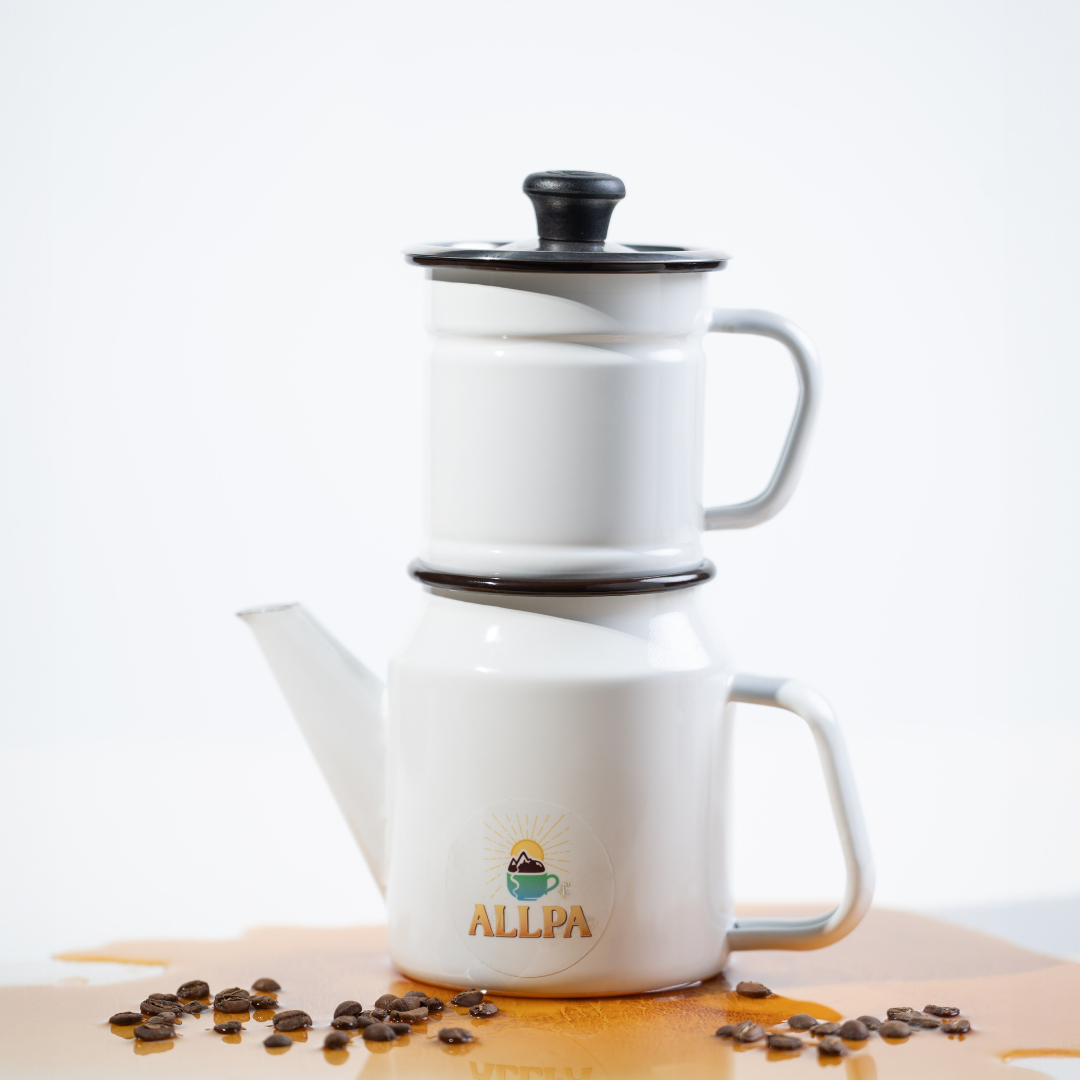
We love this method because it honors the bean. It is like an origin story you can taste.
Drip and pour-over temperature: the fastest path to consistency
Drip is the go-to prep for many households, and in 2026 it is still the most common way people brew coffee at home. That makes brewing specialty peruvian coffee with drip a practical starting point.
Use 93 to 96°C for most specialty Peruvian medium roast cups. Then adjust like this:
- Sour or watery: raise temperature by 1 to 2°C, or grind slightly finer.
- Bitterness or dry finish: drop temperature by 1 to 2°C, or grind slightly coarser.
- Flat taste: check freshness and try a slightly hotter temperature before you change much else.
If you want to explore more coffees to compare how temperature affects different flavor profiles, browse our Coffee collection. It is a simple way to build your own Peru flavor map.
French press temperature: keep the body, avoid the edge
French press can be amazing for brewing specialty peruvian coffee because you get more body and texture. But if your water is too hot, the cup can tip into harshness.
We recommend:
- Water temp: 88 to 92°C
- Grind: coarse enough to reduce over-extraction
- Timing: keep your steep consistent, do not let it sit forever
When it is dialed in, you will taste that smooth Peruvian character without the “tired” finish that happens when extraction runs too long or too hot.
Cold brew temperature in 2026: smoother extraction, different rules
Cold brew is not about heat, it is about time. But temperature still matters because your steep starts from whatever temperature your water and environment are in.
Since cold brew has hit a 12% adoption rate, more specialty drinkers are asking how to brew it without losing the character of brewing specialty peruvian coffee.
For cold brew, think in terms of “starting temperature” plus steady steeping. A practical approach is to use:
- Steep water: room temperature to 10 to 15°C
- Adjust to taste: if it tastes flat, steep longer before turning up heat (since cold brew already uses low temperature)
- Keep it clean: use a consistent ratio and avoid over-filtering mistakes
Cold brew can feel less acidic and more chocolatey, which is a great way to enjoy Peru when you want a calmer cup.
Common temperature mistakes when brewing specialty peruvian coffee
Let us save you a few cups of trial and error. These are the most common temperature mistakes we see when people start brewing specialty peruvian coffee.
- Using boiling water by default: It often pushes bitterness, especially for medium roast.
- Not accounting for brewer type: French press and Gota a Gota need different temperature instincts.
- Changing grind and temperature at the same time: You end up not knowing what fixed (or broke) the cup.
- Ignoring heat loss: If your system cools fast, your actual brew temperature may be lower than what you planned.
- Skipping small adjustments: Move by 1 to 3°C, and taste the difference.
Once you stop chasing extremes, you will notice Peru’s “hidden gem” flavor becomes much easier to recognize.
Pairing temperature with Peruvian flavors (optional, but fun)
Sometimes the best way to enjoy coffee is to build a simple ritual around it. Not just super serious, just delicious.
For example, if you want a Peruvian-inspired twist without messing up your brewing specialty peruvian coffee results, you can add a small amount of something like cacao or lucuma to complement the cup.
- Allpa Organic Peruvian Cacao Powder 8oz can deepen chocolate notes in your coffee drinks.
- Allpa Organic Peruvian Lucuma Powder 12oz can add a naturally sweet, caramel-like vibe to iced coffee blends.
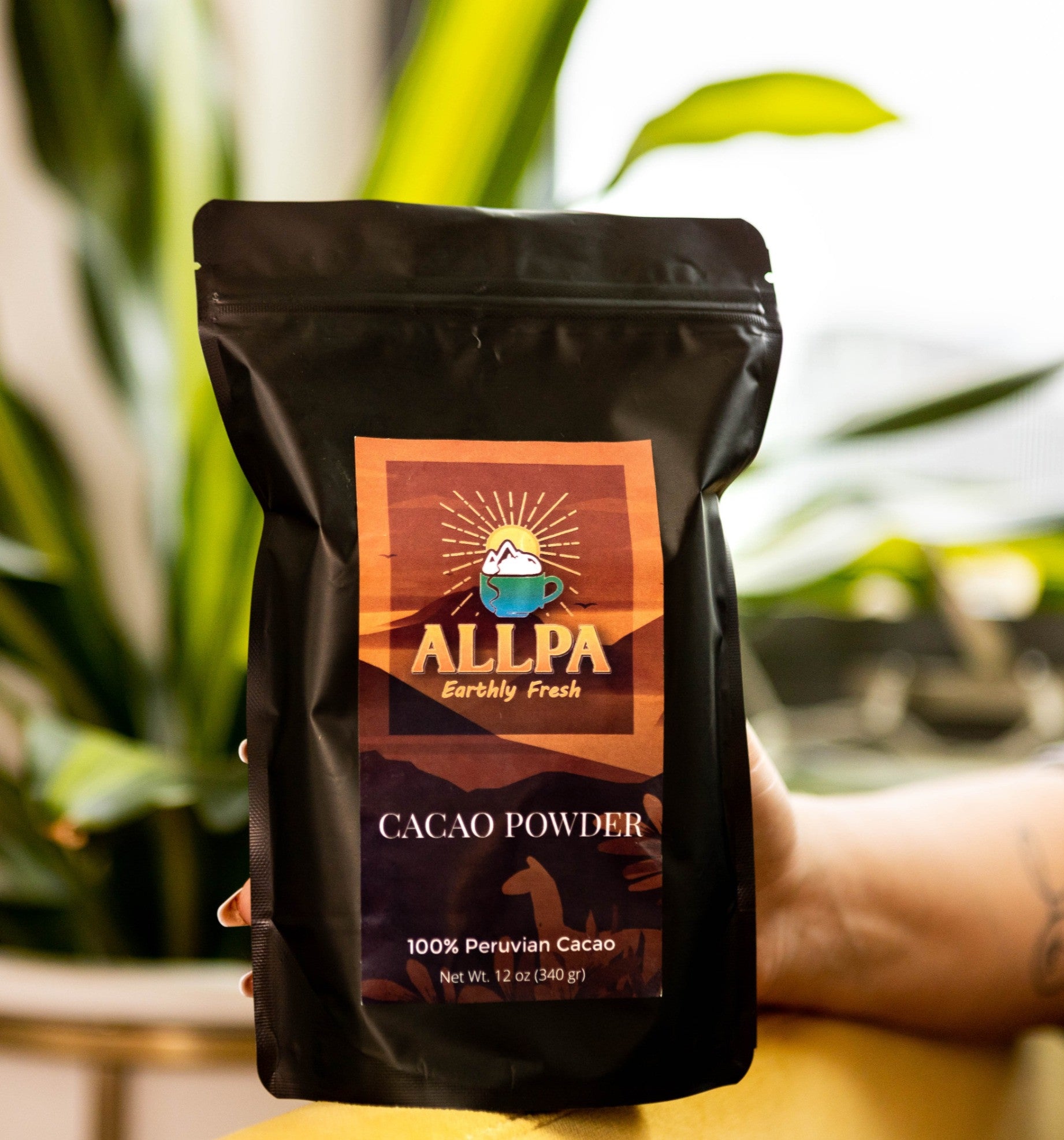
It is like a secret ingredient that makes everything a bit healthier and more exciting, and it connects your kitchen to ancient traditions.
Conclusion: your Peru temperature chart will make your cups shine
If you want truly consistent brewing specialty peruvian coffee at home in 2026, use the temperature chart as your baseline, then adjust with small steps. Start with 93 to 96°C for drip, go cooler for French press, and keep things steady for Gota a Gota and cold brew steeping.
We felt that coffee from Peru is very rich but very under-represented to specialty coffee lovers everywhere. Our aim is to change this, one better cup at a time. By choosing Allpa Family, you are also contributing to the economic well-being of local farming communities, and you are connecting with an origin story that deserves to be tasted clearly.
Frequently Asked Questions
What temperature should I use for brewing specialty peruvian coffee with a drip machine in 2026?
For brewing specialty peruvian coffee with drip, start at 93 to 96°C in 2026. If your cup tastes sharp or sour, increase temperature slightly or grind a bit finer, and if it tastes bitter, lower temperature slightly or grind coarser.
Is 90°C too cold for brewing specialty peruvian coffee?
It depends on your method. For brewing specialty peruvian coffee with drip, 90°C is often too cool, but for French press and Peruvian Gota a Gota, starting around 90°C can work well in 2026.
How hot should water be for French press when brewing specialty peruvian coffee?
For French press, aim for 88 to 92°C when you are brewing specialty peruvian coffee at home. This range helps you keep the body while avoiding the harsh edge that can show up when the water is too hot.
What temperature is best for cold brew when using Peruvian coffee in 2026?
Cold brew relies on time, not heat. For brewing specialty peruvian coffee cold brew in 2026, use steep water from room temperature down to about 10 to 15°C, then adjust steep duration based on taste.
Does the Peruvian Gota a Gota method need a different brewing temperature?
Yes. For brewing specialty peruvian coffee using the traditional drop-by-drop Gota a Gota approach, we recommend 90 to 94°C so the slow extraction brings out aroma without overshooting into bitterness.
How can I fix a bitter cup when brewing specialty peruvian coffee?
If your brewing specialty peruvian coffee tastes bitter or dry, lower your water temperature by 1 to 2°C or grind a bit coarser. Keep the other variables steady for the next brew so you know exactly what changed the cup.