Welcome! It is so nice to see you. ¡Bienvenido! Grab a mug, because today we're talking about organic Peruvian specialty coffee beans and the story behind them might surprise you. Did you know that more than 90 percent of Peru's specialty coffee comes from smallholder farms smaller than five hectares, many still tended by hand using methods passed down for generations?
That's the kind of detail that makes us love this coffee. It's rich, it's rare, and it's finally getting the attention it deserves.
Key Takeaways
| Question | Quick Answer |
|---|---|
| What makes Peruvian coffee "specialty"? | High-altitude Arabica beans, careful hand-harvesting, and cupping scores of 80+ points on a 100-point scale. |
| Is organic Peruvian coffee more expensive? | Not by much. Allpa's medium roast whole bean coffee runs $17.99 for 12oz, competitive with mainstream specialty brands. |
| Where is Peru's best coffee grown? | Cajamarca, San Martín, and Junín lead production, thanks to mineral-rich volcanic soil and high elevation. |
| Why is Peruvian coffee "under-represented"? | Brazil and Colombia dominate marketing budgets, but Peru's smallholder farmers often go unrecognized despite excellent quality. |
| How do I learn more about the coffee itself? | Visit our coffee education page for origin details and tasting notes. |
| What's Allpa's role in all this? | We connect drinkers directly to farmers, a mission you can read about on our mission page. |
| Why buy from Allpa instead of a big-box brand? | Our why us page lays out exactly how we source, roast, and support Peruvian communities. |
What Makes Organic Peruvian Specialty Coffee Beans a Hidden Gem
Peru grows some of the most flavorful Arabica coffee on the planet. It just doesn't get the spotlight it deserves.
We felt that coffee from Peru is very rich but very under-represented to specialty coffee lovers everywhere. Our aim is to change this.
Three regions carry the weight of Peru's coffee industry:
- Cajamarca, the leading producer, accounts for roughly 22 percent of national output.
- San Martín, close behind, known for bright, fruity cups.
- Junín, with cooler highland microclimates that slow bean development and deepen flavor.
Peru's mountainous terrain forces farms to stay small and scattered. That's a challenge for logistics, but it's a gift for flavor.
High altitude means slower-maturing cherries, and slower-maturing cherries mean more complex, nuanced beans in your cup.
Peru's organic coffee sector relies heavily on small-scale farming.
Allpa Peruvian Coffee: Our Medium Roast Whole Bean Pick
This is where we start. Single-origin, medium roast, whole bean, straight from Peruvian farms.
Notes of nuttiness and chocolate come through in every cup, balanced and smooth without any bitterness fighting back.
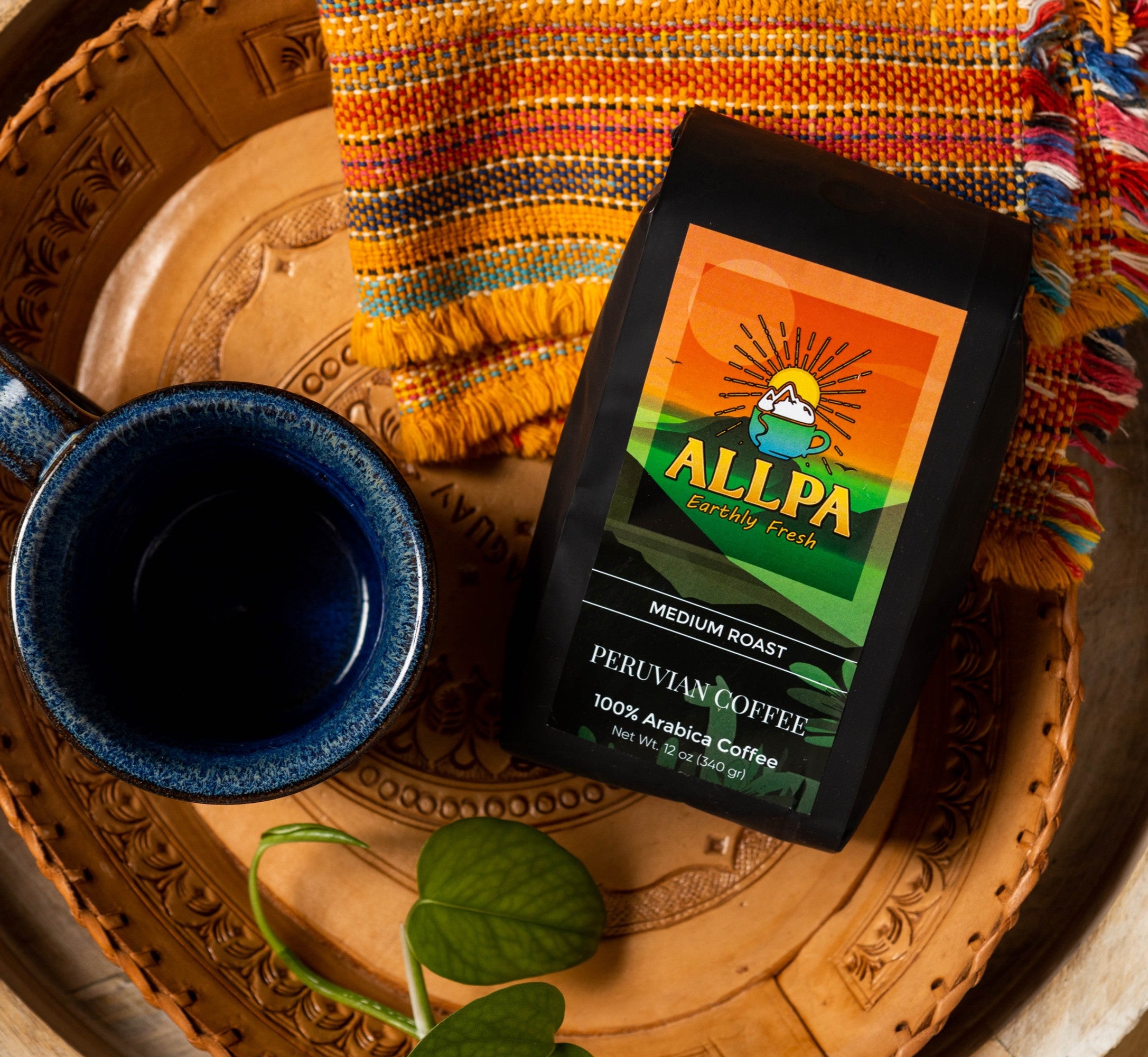
At $17.99 for a 12oz bag, that works out to $1.50 per ounce, a fair price for beans that are ethically sourced from Peruvian farmers.
You can browse the whole lineup on our coffee collection page if you want to compare options side by side.
Why "Organic" Matters for Peruvian Specialty Coffee Beans
Organic isn't just a label we slap on for fun. It reflects how the farm actually operates, season after season.
Many Peruvian smallholders farm organically by necessity rather than certification paperwork. Steep mountain plots, limited access to synthetic inputs, and generations of traditional agriculture all point the same direction: naturally grown coffee.
That demand is real, and Peru is positioned to meet it. Arabica, the type grown across nearly all of Peru's coffee regions, already holds 64.2 percent of the global organic coffee market.
So when you reach for organic Peruvian specialty coffee beans, you're picking a cup that was likely grown close to nature from the start.
The Peruvian Coffee Experience Bundle
Want the full picture, not just the coffee? This bundle is for you.
It pairs our whole bean coffee with cacao and lucuma powder, three Peruvian staples in one box.
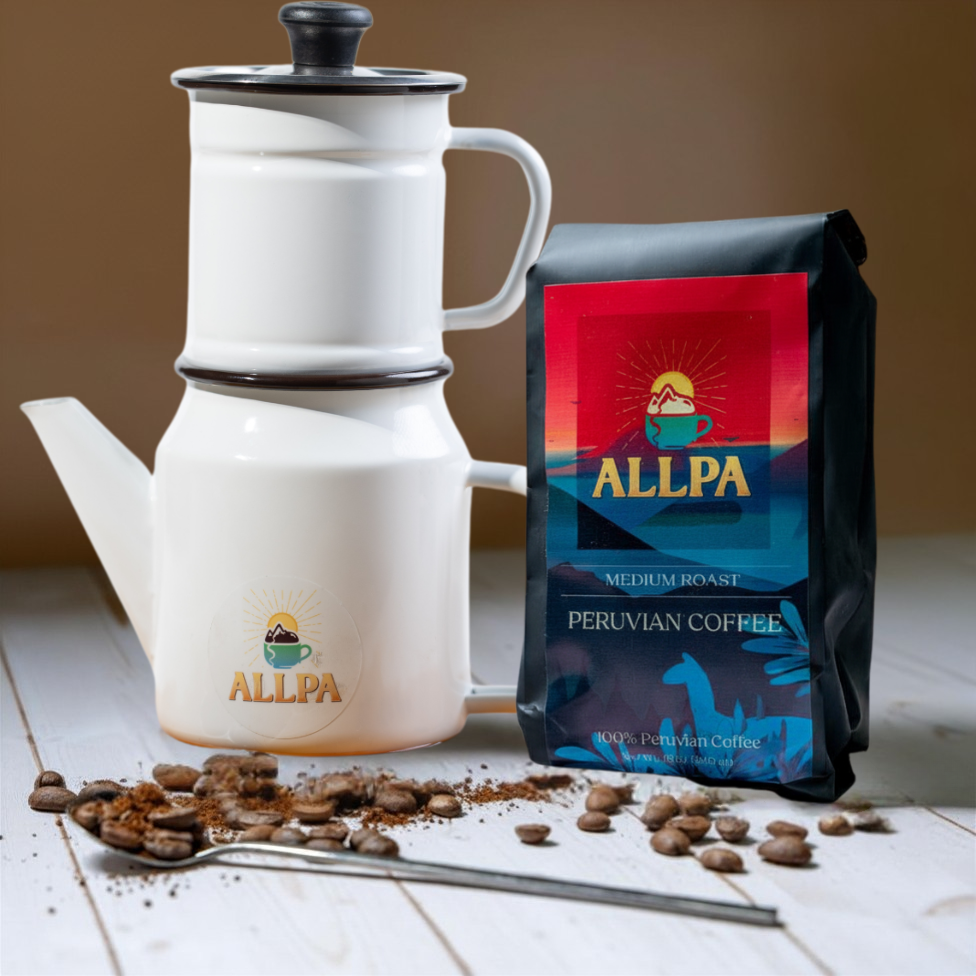
It's priced at $56.99, sustainably and ethically sourced, and it supports Peruvian farmers with every purchase.
It's a nice way to try lucuma, cacao, and organic Peruvian specialty coffee beans together, almost like a tasting flight for your kitchen counter.
Brewing It Right: The Cafetera Gota a Gota
Great beans deserve a proper brewing method. Enter the cafetera, a traditional Peruvian coffee maker built for the classic gota a gota (drip by drip) style.
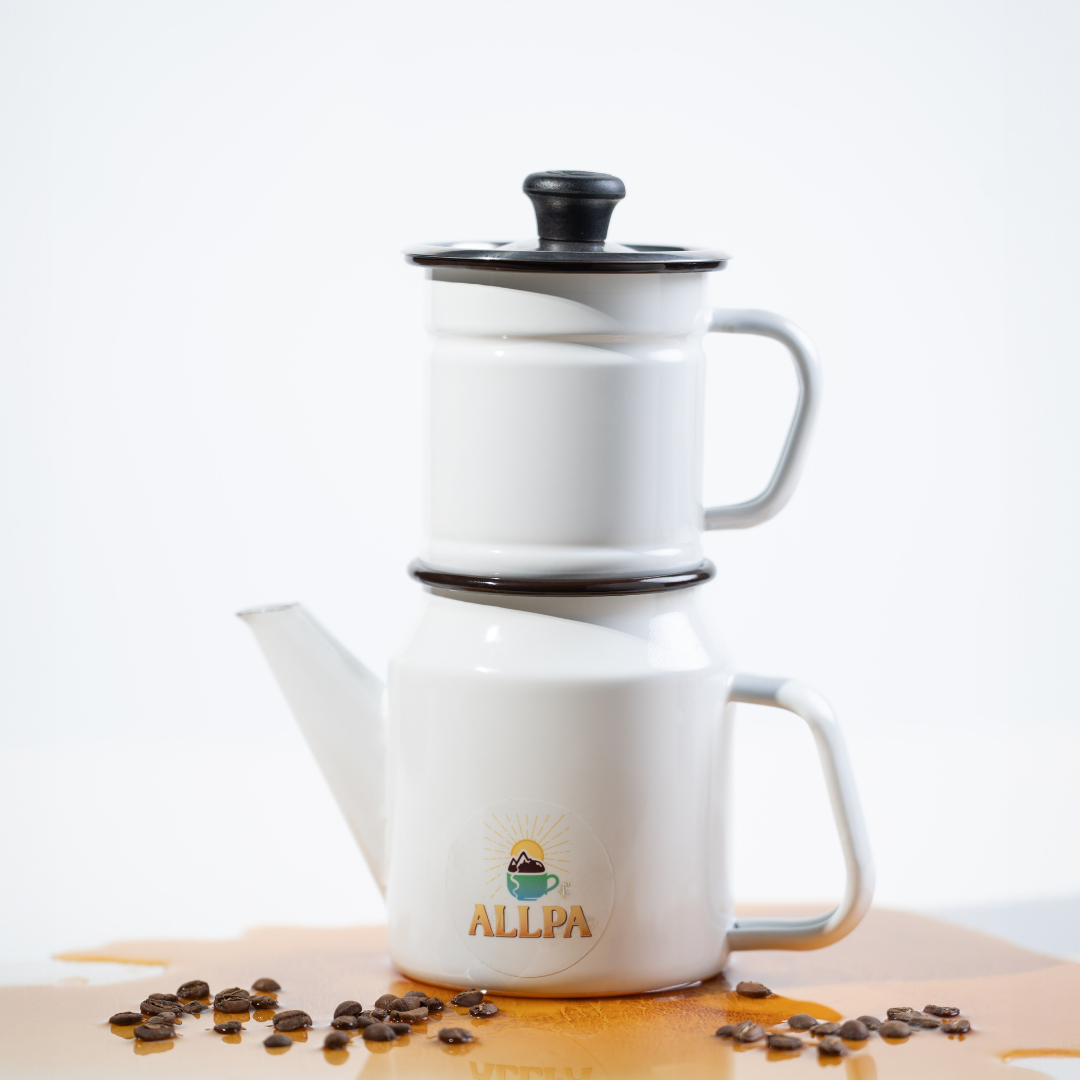
At $44.99, it's built for durability and daily use. This isn't a novelty item, it's how Peruvian households have made coffee at home for decades.
Pair it with our medium roast and you get an authentic cup, brewed the way it's traditionally meant to be brewed.
Supporting Peru's Coffee Farming Families
By choosing Allpa Foods, you're contributing to the economic well-being of local farming communities. That's not a slogan for us, it's the whole point.
Coffee isn't a side hustle for these families. It's their livelihood.
The United States buys 32 percent of Peru's coffee exports, making it the country's single largest trade partner for this crop. Every bag you buy from us is part of that bridge.
It's pretty cool to think that by choosing organic Peruvian specialty coffee beans over an anonymous supermarket blend, you're helping keep 223,000 families in business, far away, but connected to your morning routine.
How to Choose the Best Organic Peruvian Specialty Coffee Beans for Your Cup
Not sure where to start? Here's how we'd break it down.
- ONE: Decide whole bean or ground. Whole bean stays fresher longer, so grab a grinder if you can.
- TWO: Check the roast. Medium roast, like ours, keeps the nutty, chocolatey notes that make Peruvian coffee distinct.
- THREE: Look for organic and single-origin labeling. It tells you the beans weren't blended to hide flaws.
Here's a quick comparison of our current coffee-related lineup:
| Product | Price | Best For |
|---|---|---|
| Allpa Peruvian Coffee, Medium Roast, Whole Bean 12oz | $17.99 | Everyday brewing, single-origin lovers |
| The Peruvian Coffee Experience Bundle | $56.99 | Gifting or trying coffee, cacao, and lucuma together |
| Peruvian Coffee Maker (Cafetera Gota a Gota) | $44.99 | Traditional home brewing |
Pairing Peruvian Coffee with Other Peruvian Superfoods
Coffee doesn't have to stand alone on your shelf. Peru is rich and diverse in healthy and wholesome food, and coffee is just one part of that cultural story.
Stir a spoonful of organic Peruvian cacao powder into your morning brew for a mocha twist. It's the Food of the Gods, after all, so it plays well with coffee.
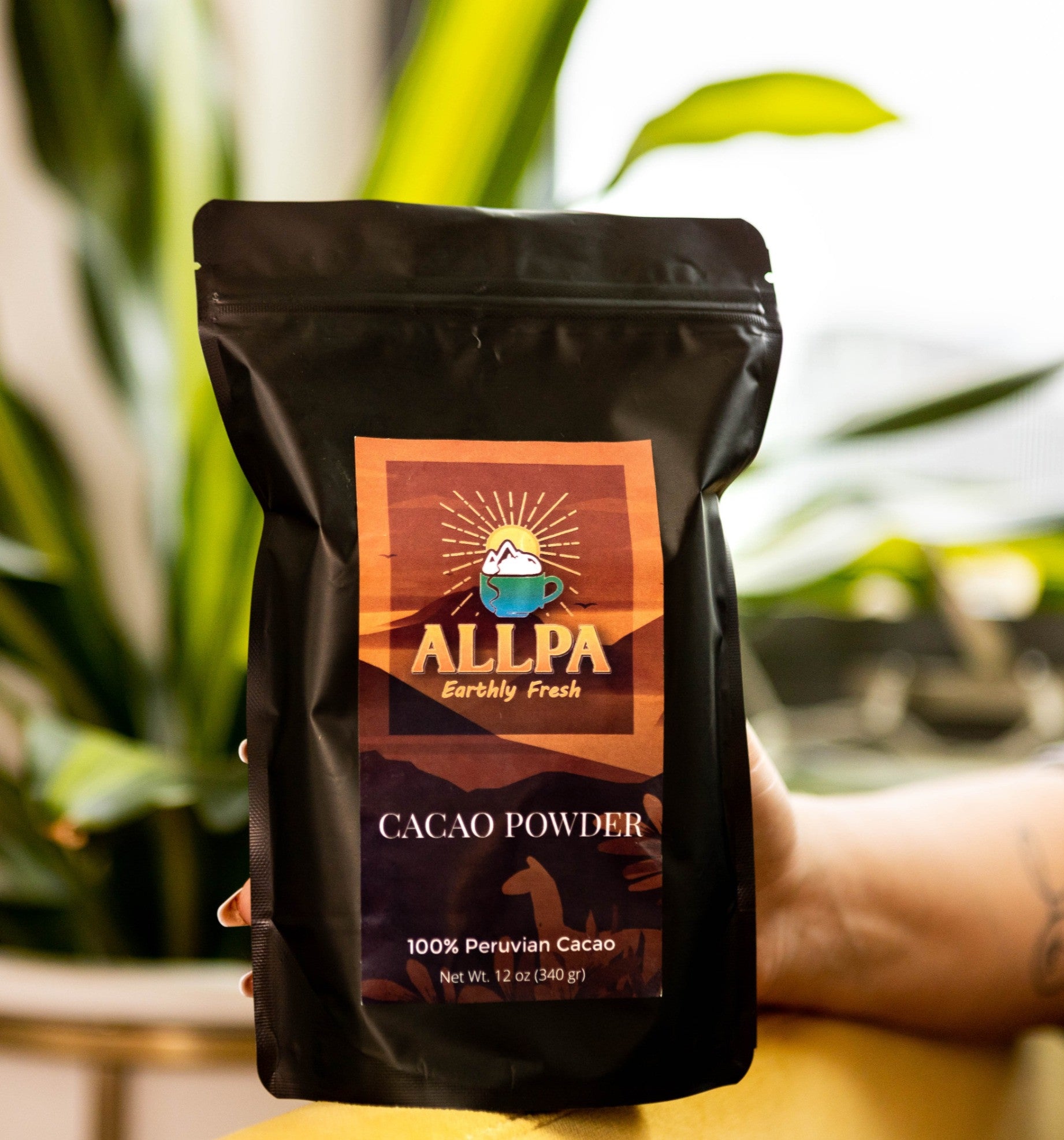
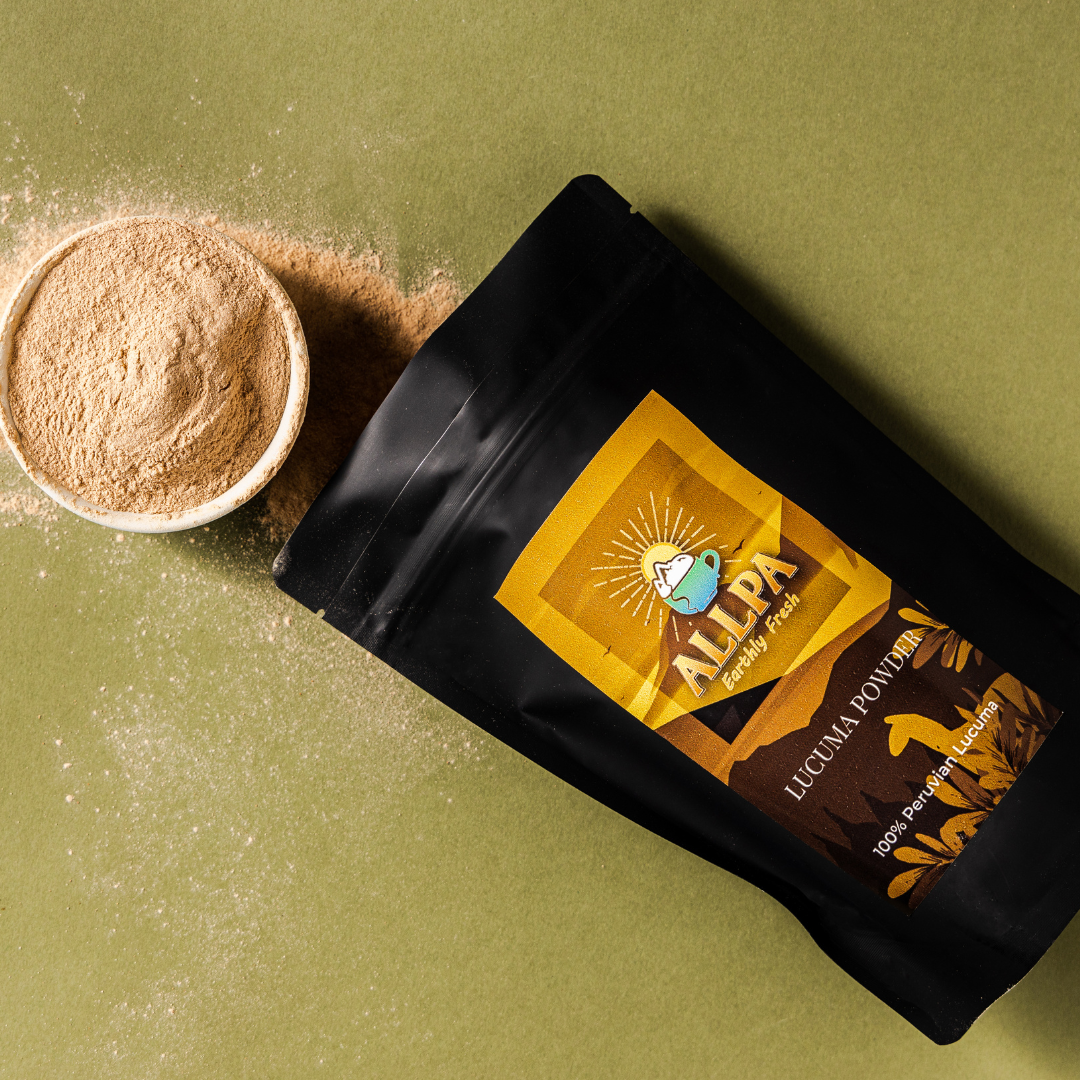
Or blend organic maca root powder into an iced coffee for an earthy, caramel-like edge. It's an ancient Andean ingredient that connects you to traditions going back centuries.
Curious what else we carry? Our full product collection covers everything from grains to natural sweeteners, all tied back to Peru.
Conclusion
Organic Peruvian specialty coffee beans deserve a spot on your counter, not because we say so, but because the farmers, the altitude, and the traditions behind every bag earn it.
We felt that Peruvian coffee was under-represented for far too long, and we built the Allpa Family around changing that story, one bag at a time.
Try our medium roast, brew it in a traditional cafetera, or go all in with the full coffee experience bundle. However you start, you're tasting a hidden gem that's finally getting its due in 2026.
Frequently Asked Questions
What makes organic Peruvian specialty coffee beans different from regular coffee?
Organic Peruvian specialty coffee beans are grown at high altitude by smallholder farmers using traditional, chemical-free methods. That combination produces a smoother, more nuanced cup with natural notes of chocolate and nuttiness instead of the flat bitterness common in mass-market coffee.
Is organic Peruvian coffee worth it in 2026?
Yes, especially as demand for organic and specialty coffee keeps climbing among younger consumers. With specialty coffee now reaching a majority of U.S. adults, organic Peruvian specialty coffee beans offer both quality and a direct way to support small farming communities.
What does "specialty coffee" actually mean for Peruvian beans?
Specialty coffee refers to beans that score highly on flavor, aroma, and quality during professional cupping evaluations. Peru's high-altitude regions like Cajamarca and San Martín consistently produce Arabica beans that meet this bar.
How should I brew organic Peruvian coffee beans at home?
A traditional cafetera gota a gota brewer gives you an authentic, drip-by-drip extraction that Peruvian households have used for generations. A standard pour-over or drip machine works fine too, as long as you grind fresh whole beans right before brewing.
Why is Peruvian coffee considered a hidden gem in the specialty coffee world?
Peru simply hasn't had the marketing muscle of Brazil or Colombia, even though its high-altitude, organically farmed beans are every bit as good. That's the under-represented story we're working to change, one bag of organic Peruvian specialty coffee beans at a time.
Where does Allpa Foods source its organic Peruvian coffee beans?
We source directly from smallholder farms in Peru's leading coffee regions, working with growers who often farm organically out of tradition, not just certification. This keeps the supply chain short and puts more value back into the hands of the farmers themselves.
What's the best way to store whole bean Peruvian coffee?
Keep your beans in an airtight container away from light, heat, and moisture, and grind only what you need right before brewing. Whole bean organic Peruvian specialty coffee beans stay fresh far longer than pre-ground coffee, so it's worth the extra step.