Did you know that Peru's fresh blueberry exports to China grew by a staggering 153% in 2025, thanks to new direct shipping routes from Chancay Port? That kind of growth tells you everything you need to know about why the world is suddenly paying attention to Peruvian Superfoods Fundamentals, and why we think it's about time.
¡Bienvenido! Welcome to our breakdown of the ingredients that have fed Andean and Amazonian communities for centuries. Let's dig in.
Key Takeaways
| Superfood | Nutritional Highlight | Common Use |
|---|---|---|
| Lucuma Powder | Fiber, antioxidants, vitamin B3 | Natural sweetener for smoothies and baking |
| Maca Root Powder | Amino acids, iron, calcium, vitamin C | Energy and hormonal balance support |
| Cacao Powder | Antioxidants, flavanols | Baking, hot chocolate, smoothies |
| Tri-Color Quinoa | Protein, fiber, essential minerals | Grain bowls, salads, side dishes |
| Cajamarca Coffee | Antioxidants, single-origin flavor | Slow "Gota a Gota" brewing |
Here's what else you should know before building your own Peruvian Superfoods Fundamentals pantry:
- Peru's functional food market, which covers superfoods like quinoa, maca, and lucuma, hit USD 1.86 Billion in value in 2024.
- 8 out of 10 Peruvians are actively trying to eat healthier, which is fueling demand for these traditional ingredients both at home and abroad.
- 85.4% of households in Lima and Callao consume quinoa regularly, proving it's not a trend, it's a staple.
- Every purchase of an authentic Peruvian superfood supports small farming communities and their sustainable agriculture practices.
- Lucuma, maca, and cacao all carry a "Gold of the Incas" origin story rooted in ancient Andean and Amazonian traditions.
- You don't need to be a "health nut" to enjoy these ingredients. They're just genuinely yummy food.
What Are Peruvian Superfoods Fundamentals, Really?
Let's start with the basics. Peruvian Superfoods Fundamentals refers to the core group of nutrient-dense, traditional ingredients that come from Peru's incredibly diverse geography.
Peru has three distinct ecosystems: the coast, the Andes mountains, and the Amazon rainforest. Each region contributes its own hidden gem to the pantry.
Maca comes from high-altitude Andean soil. Cacao grows in the humid Amazon basin. Quinoa has been cultivated in the highlands for thousands of years.
At Allpa Foods, our mission is to provide wholesome and natural food products that tell a cultural story. That's the whole point of learning the fundamentals first. Once you understand where an ingredient comes from, it tastes better, honestly!
Lucuma Powder: The Original "Gold of the Incas"
Lucuma is one of the best places to start when learning your Peruvian Superfoods Fundamentals. It's a fruit powder that tastes like maple and sweet potato had a delicious baby.
It's rich in fiber, antioxidants, and vitamins like B3 and carotene. That makes it a genuinely helpful supplement for digestion, cardiovascular health, and immune function, not just a trendy add-in.
It's like a secret ingredient that makes everything a bit healthier and more exciting! Lucuma isn't just for health nuts, it's for anyone who likes yummy food.
It's pretty cool to think that by adding some lucuma to your smoothie, you're connecting with ancient traditions and helping out farmers far away!
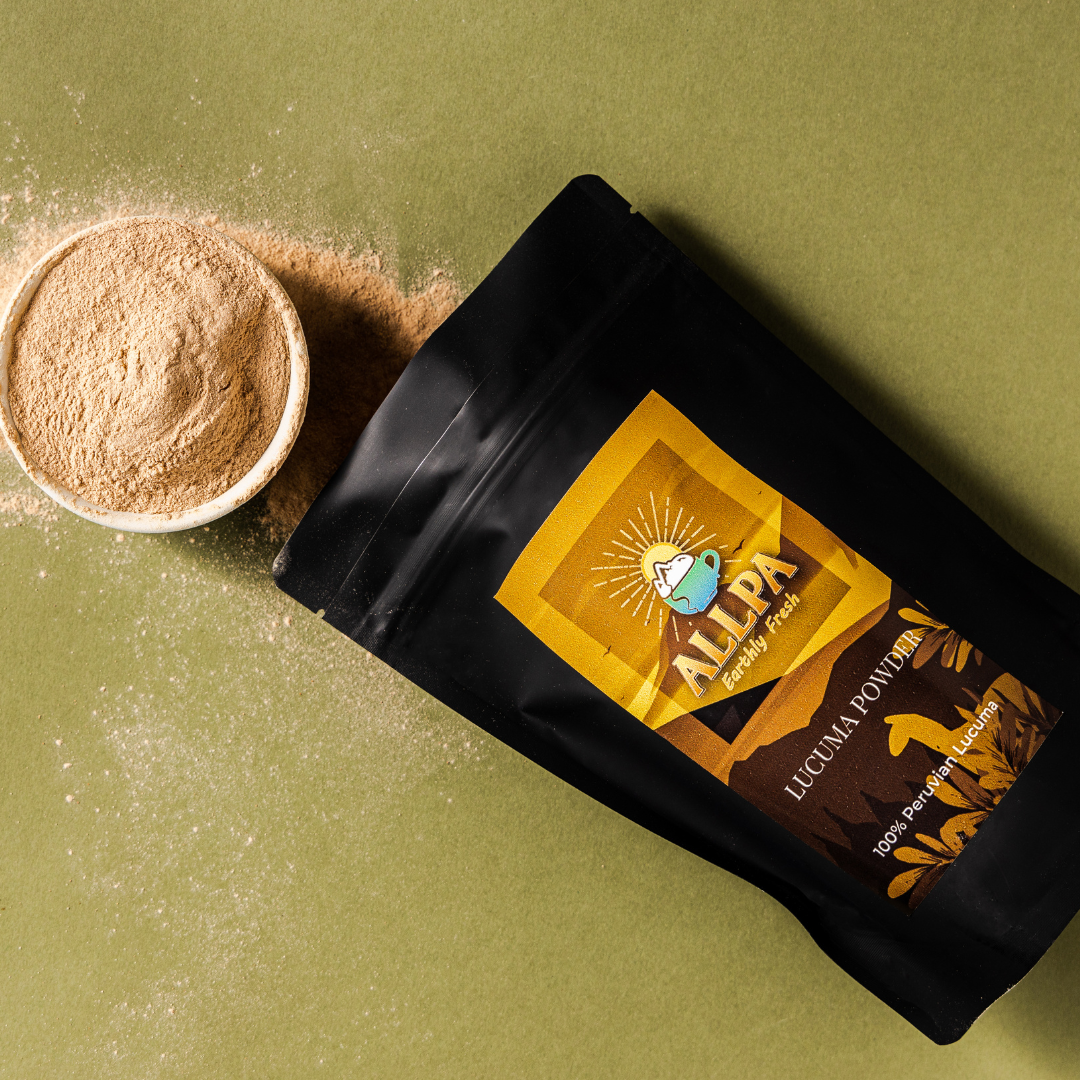
Our All-Natural Peruvian Lucuma Powder 12oz runs $13.99, and it's an easy first pick for anyone stocking their pantry with the fundamentals.
Maca Root Powder: The Peruvian Super Root
Maca grows wild in the harshest, highest parts of the Andes. If a plant can survive up there, you know it's tough, and it's packing a nutrient punch.
It's rich in fiber, essential amino acids, fatty acids, vitamin C, copper, iron, and calcium. Traditionally, Andean communities have used it to support energy, hormonal balance, and cognitive function.
We source our maca through partners in Peru who operate under fair-trade practices, with direct farmer engagement. That's part of our bigger mission: building economic bridges between your kitchen and small farming communities in the Andes.
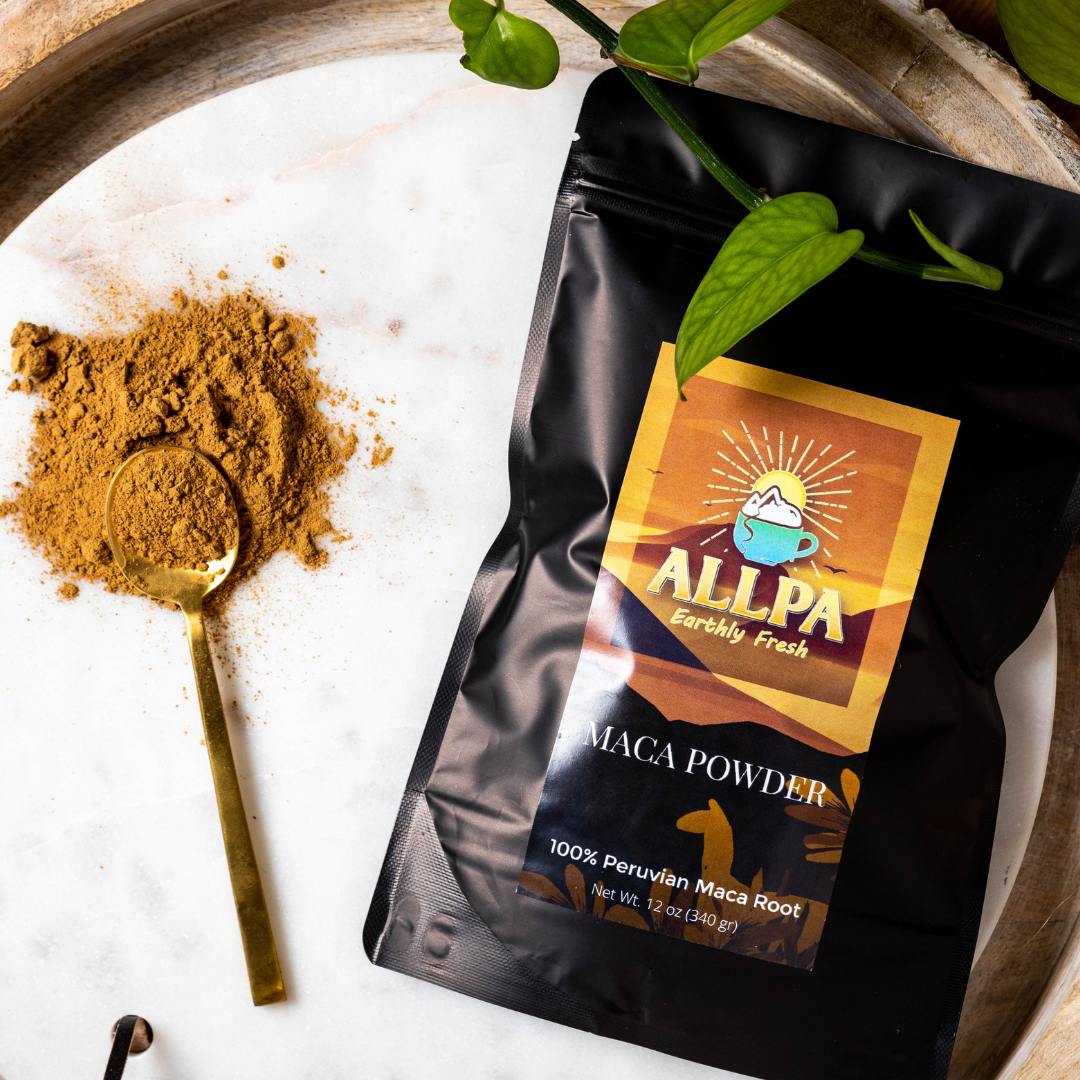
Our Organic Peruvian Maca Root Powder 12oz is $12.99. Stir a spoonful into your morning oatmeal and you've got yourself a genuine nutrient powerhouse.
Cacao Powder: The True Food of the Gods
The original name given to the cacao tree was Theobroma, which translates to Food of Gods in Greek. That's not marketing talk, that's history.
Our cacao comes from Peru's Amazon region, one of the top global sources for quality cacao used by artisan chocolate makers. It's high in flavor and rich in antioxidants, and honestly, it just tastes better than the stuff sitting in most grocery store aisles.
Any conversation about Peruvian Superfoods Fundamentals is incomplete without cacao. It's the ingredient that bridges ancient ceremony and modern kitchen counters.
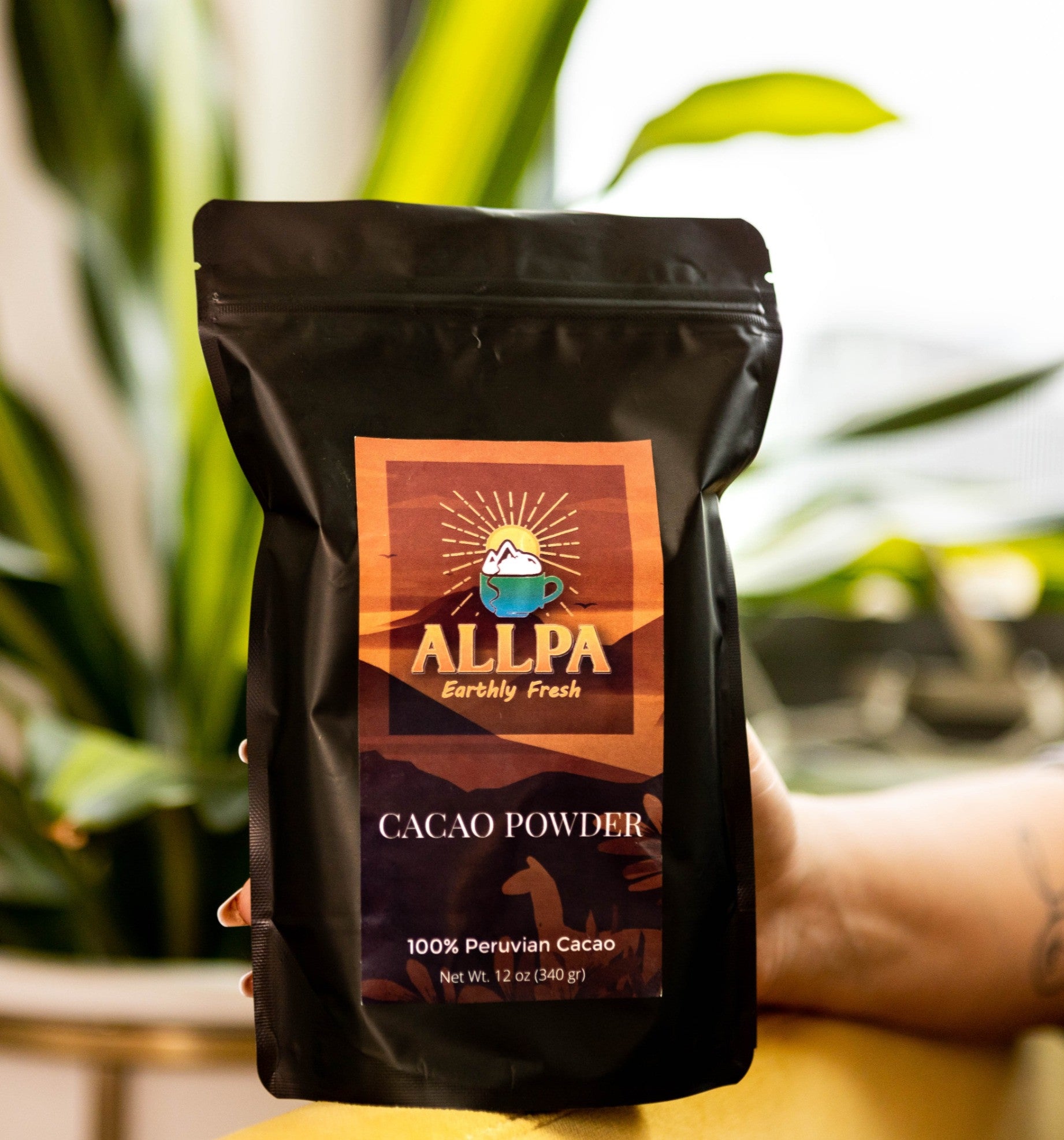
Our All-Natural Premium Peruvian Cacao Powder 8oz is $13.99. We work with Peruvian partners on fair-trade models and direct farmer engagement, so every bag helps support sustainable agriculture in the Amazon.
Tri-Color Quinoa: The Wholesome Peruvian Staple
No list of Peruvian Superfoods Fundamentals would be complete without quinoa. It's the grain that fed the Inca empire, and it's still feeding Peruvian households today.
In fact, 85.4% of households in Lima and Callao eat quinoa, and 45.4% of those consumers eat it weekly. That's not a niche health food, that's dinner.
Our Tri-Color Quinoa mixes red, black, and white grains for a dish that's as visually appealing as it is nutritious. It's rich in protein, fiber, and essential minerals.
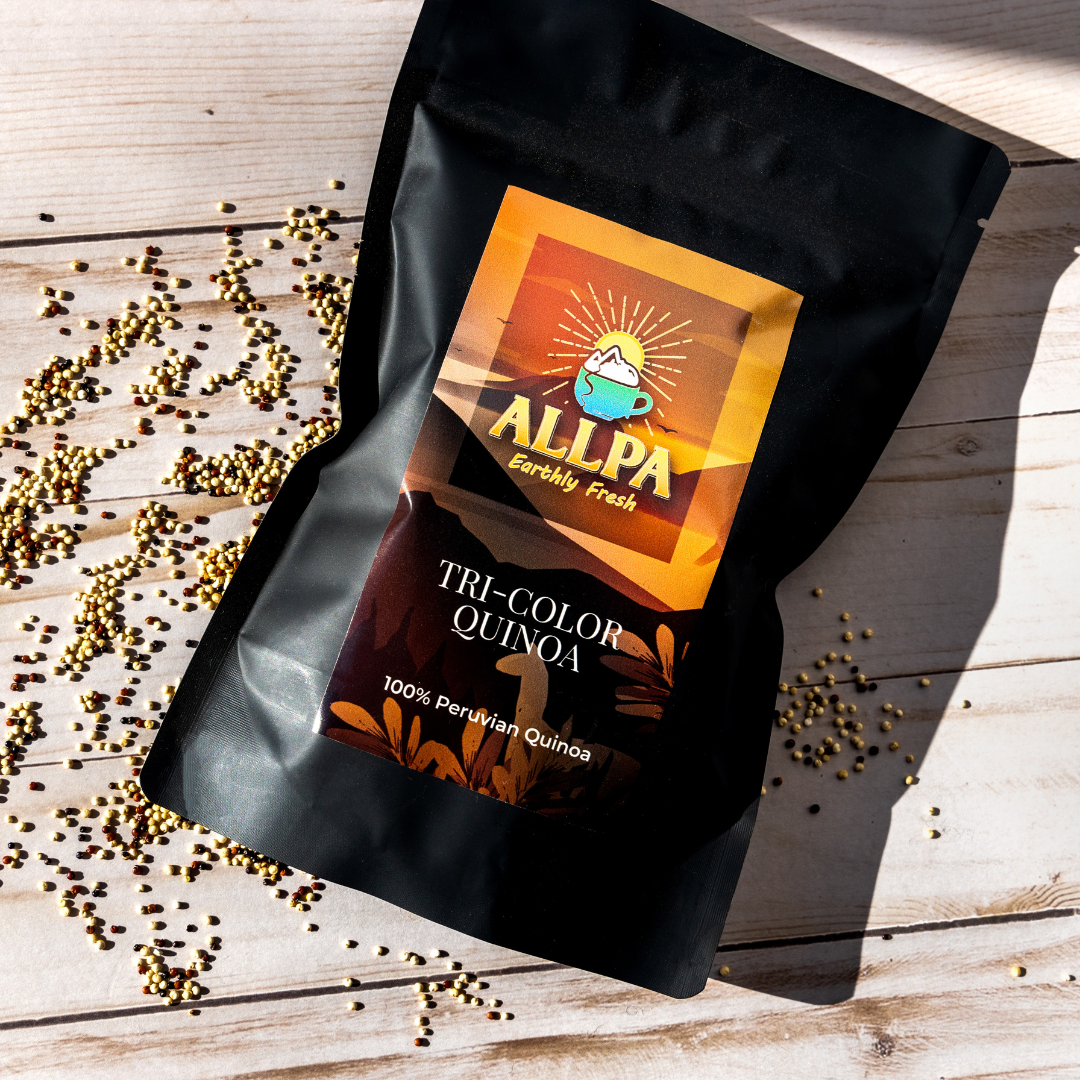
Our Organic Peruvian Tri-Color Quinoa 16oz is $10.99. Whether you're a health nut, a foodie, or just looking for a quick weeknight meal, this quinoa is sure to impress.
Peruvian Coffee: The Hidden Gem of the Coffee World
We felt that coffee from Peru is very rich but very under-represented to specialty coffee lovers everywhere. Brazil and Colombia get all the attention, but Peru has been quietly growing exceptional beans in its northern highlands for generations.
Our single-origin coffee comes from Cajamarca, and it yields a smooth, full-bodied cup. We brew it the Peruvian way, gota a gota, slow and intentional, highlighting aroma, body, and clarity.
Our aim is to change this narrative. Peruvian coffee deserves a seat at the table with the world's best specialty coffee, and we're proud to be part of that story.
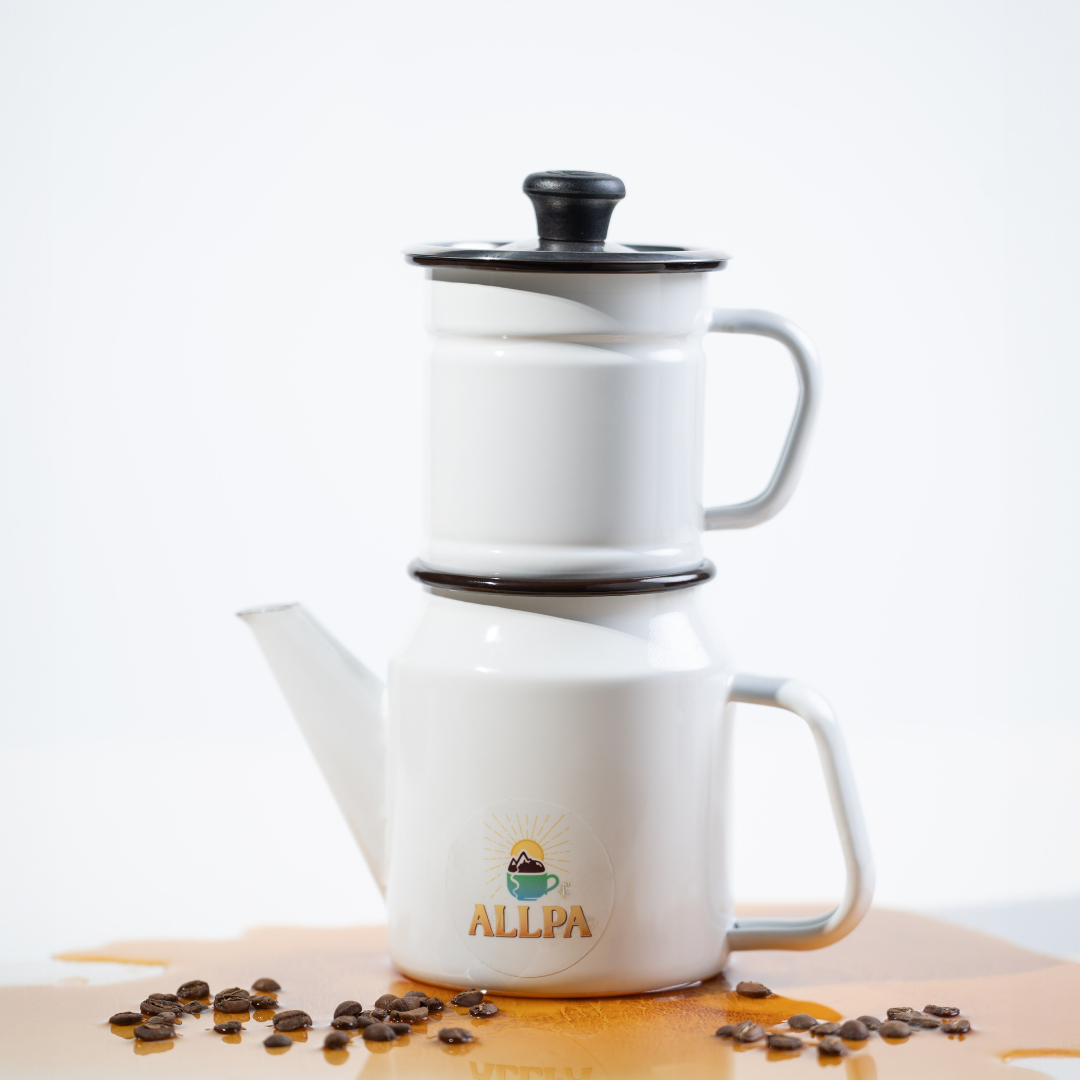
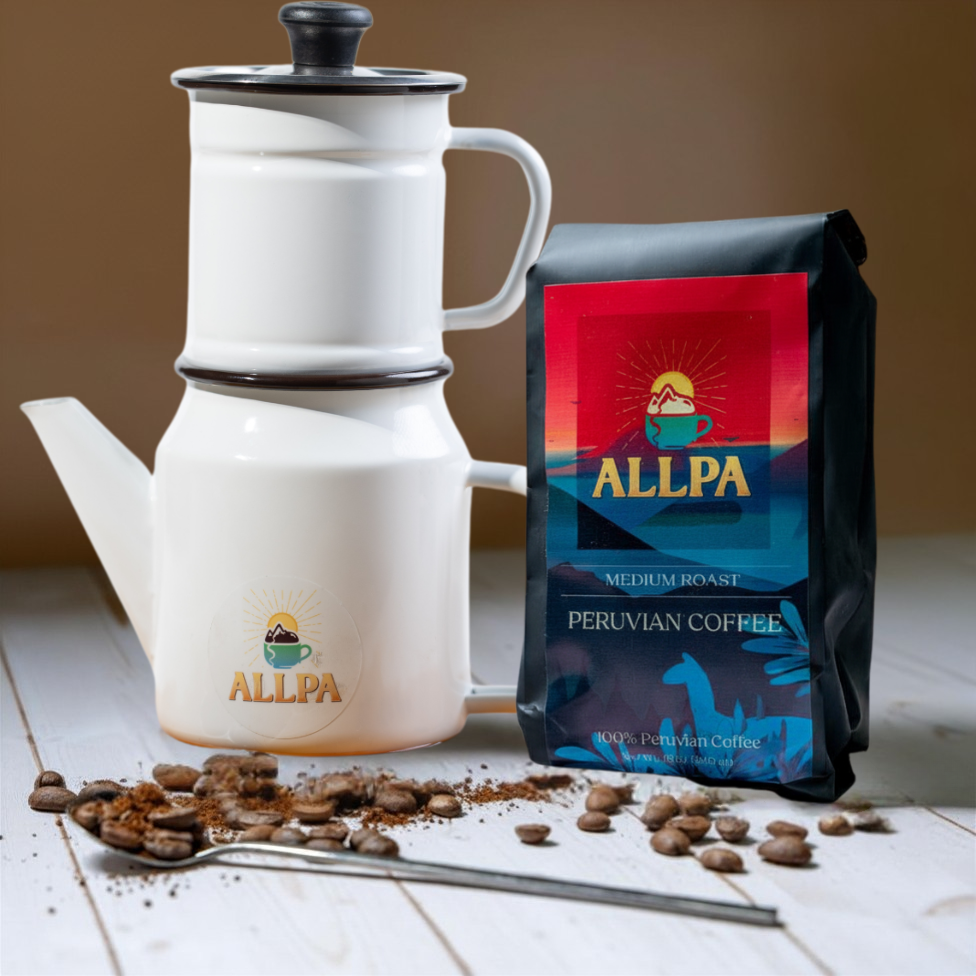
Our Medium Roast Whole Bean 12oz runs $17.99, and the Cafetera Gota a Gota brewer is $44.99. If you want the full ritual, our Peruvian Coffee Experience Bundle pairs both together for $56.99.
Rounding Out Your Peruvian Superfoods Fundamentals Pantry
Once you've got lucuma, maca, cacao, quinoa, and coffee covered, you've hit the core of Peruvian Superfoods Fundamentals. But there are a couple more South American staples worth adding to your routine.
Our Paraguayan Yerba Mate 6oz ($10.99) delivers antioxidants, vitamins, and minerals for mental clarity and sustained energy. It's a traditional South American ritual drink that pairs beautifully with a Peruvian pantry, hot or cold.
Curious about which combination fits your goals best? We break down more pairings in our guides on the top 8 Peruvian superfoods for immune support and the top 5 for energy and immunity.
Peruvian superfoods are capturing international markets at an unprecedented pace.
Why Choose Allpa Foods for Peruvian Superfoods Fundamentals
There are a lot of places selling powders online. Here's why we think we do it differently.
ONE. Every product comes with an origin story. We don't just sell lucuma, we tell you which region it grew in and why that matters.
TWO. By choosing Allpa Foods, you're contributing to the economic well-being of local farming communities. That's not a slogan, that's how our supply chain is built.
THREE. We're a Learning Hub, not just a store. Our blog exists so you can actually understand what you're putting in your smoothie, not just buy a bag and hope for the best.
We're building an Allpa Family, one bag of lucuma and one cup of Cajamarca coffee at a time. Peru is rich and diverse in healthy and wholesome food. Try some today!
How to Build Your Peruvian Superfoods Fundamentals Starter Kit
Not sure where to begin? Here's a simple comparison to help you build a starter kit that covers the fundamentals without overspending.
| Product | Price | Best For |
|---|---|---|
| Lucuma Powder 12oz | $13.99 | Sweetening smoothies naturally |
| Maca Root Powder 12oz | $12.99 | Daily energy support |
| Cacao Powder 8oz | $13.99 | Baking and hot chocolate |
| Tri-Color Quinoa 16oz | $10.99 | Meal prep and side dishes |
| Coffee Experience Bundle | $56.99 | Slow mornings and gifting |
Start small. Pick two or three ingredients, get comfortable with them, then expand. That's the honest way to learn your Peruvian Superfoods Fundamentals without feeling overwhelmed.
Conclusion
Learning the Peruvian Superfoods Fundamentals isn't about chasing a trend. It's about understanding where lucuma, maca, cacao, quinoa, and coffee actually come from, and who grows them.
Each ingredient carries a cultural story that stretches back generations, long before "superfood" was even a word. Try one today, and you'll see what we mean.
Peru is rich and diverse in healthy and wholesome food. We're glad you're here to explore it with us.
Frequently Asked Questions
What are the main Peruvian superfoods to know about in 2026?
The core Peruvian Superfoods Fundamentals include lucuma, maca root, cacao, tri-color quinoa, and single-origin coffee. Each comes from a distinct region of Peru, from the Andes to the Amazon, and each carries its own nutritional profile and cultural history.
Is lucuma powder worth trying in 2026?
Yes, lucuma powder is absolutely worth trying. It's a natural sweetener rich in fiber, antioxidants, and vitamins, and it works in smoothies, baking, and everyday cooking without the need for refined sugar.
What makes maca root different from other energy supplements?
Maca root is a whole-food powder grown at high altitude in the Andes, rich in amino acids, iron, calcium, and vitamin C. Unlike synthetic energy supplements, it's been used traditionally for generations to support energy and hormonal balance.
Why is Peruvian coffee considered a hidden gem?
Peruvian coffee, especially single-origin beans from Cajamarca, is under-represented compared to coffee from Brazil or Colombia despite its rich, smooth, full-bodied flavor. It's grown at high altitude and often brewed the traditional gota a gota way, which highlights aroma and clarity.
How much quinoa do Peruvian households actually eat?
Around 85.4% of households in Lima and Callao consume quinoa, and 45.4% of those households eat it weekly. That makes it one of the most consistently used ingredients in any Peruvian Superfoods Fundamentals pantry.
Are Peruvian superfoods sustainably sourced?
At Allpa Foods, our maca and cacao come from Peruvian partners operating under fair-trade practices with direct farmer engagement. Choosing these products supports sustainable agriculture and builds economic bridges to small farming communities.
What's the best way to start incorporating Peruvian superfoods into my diet?
Start with one or two ingredients, like lucuma in your morning smoothie or quinoa in a weeknight dinner, before expanding your pantry. Learning the Peruvian Superfoods Fundamentals works best when you build habits gradually rather than buying everything at once.