Welcome! It is so nice to see you here exploring peruvian coffee tasting notes with us. ¡Bienvenido! Did you know that Peruvian Tunki coffee once went up against 120 competitors from around the world and walked away with the title of best specialty coffee at the SCAA fair? That's a huge deal for a coffee that most people have honestly never even heard of.
Peruvian coffee tasting notes deserve way more attention than they get, and we're here to change that.
Key Takeaways
| What You're Wondering | The Quick Answer |
|---|---|
| What do peruvian coffee tasting notes usually include? | Smooth nutty tones, warm chocolate, and a delicate sweet finish, with fruity brightness depending on region |
| Is Peruvian coffee bitter or smooth? | Smooth! A medium body with a center sharpness, not a harsh bitterness |
| Why is Peruvian coffee considered a hidden gem? | It's under-represented compared to Colombia and Brazil, even though the quality rivals both |
| Who grows Peru's specialty coffee? | Mostly small family farmers working just 1 to 5 hectares of land |
| What roast brings out the best tasting notes? | A medium roast, which protects the natural sweetness and nutty character |
| Where can I try it? | Check out our full Peruvian coffee collection or visit our FAQ page for brewing questions |
What Gives Peruvian Coffee Tasting Notes Their Signature Flavor?
Peruvian coffee tasting notes come from a very specific mix of altitude, soil, and shade. Most of it grows high in the Andes, tucked between banana trees and other crops instead of out in the open sun.
That slower growth is what builds the flavor. It gives the beans time to develop a smooth, nutty character with real chocolate undertones and a soft, sweet finish at the end of the cup.
At Allpa Foods, our mission is to provide wholesome and natural food products that tell a cultural story. Peru is rich and diverse in food and coffee is a huge part of that story, so we felt it was time someone finally told it properly.
You can read more about why we started this whole thing on our About page.
Peruvian Coffee Tasting Notes by Growing Region
Peru isn't one flavor. It's sixteen different ones, honestly.
Coffee is grown across sixteen regions in Peru, including San Martín, Cajamarca, and Cusco, and each one brings something different to the cup:
- San Martín: fruity, bright, almost citrus-like acidity
- Cajamarca: deep chocolate and caramel sweetness
- Cusco: nutty, earthy, and full-bodied
- Amazonas: floral aromatics with a clean finish
This is exactly why we call it a hidden gem. One country, one origin story, and yet so many different flavors hiding inside it!
Allpa Peruvian Coffee Medium Roast: Tasting Notes You Can Trust
We wanted to bring one coffee to the table that really represented everything we believe in. That's our Allpa Peruvian Coffee, Medium Roast, Whole Bean.
It has a full flavor with a smooth medium body, a center sharpness, and a delicate sweet completion. The specific tasting notes are smooth nutty and chocolate connotations, which is what makes this coffee such a truly one of a kind specialty cup.
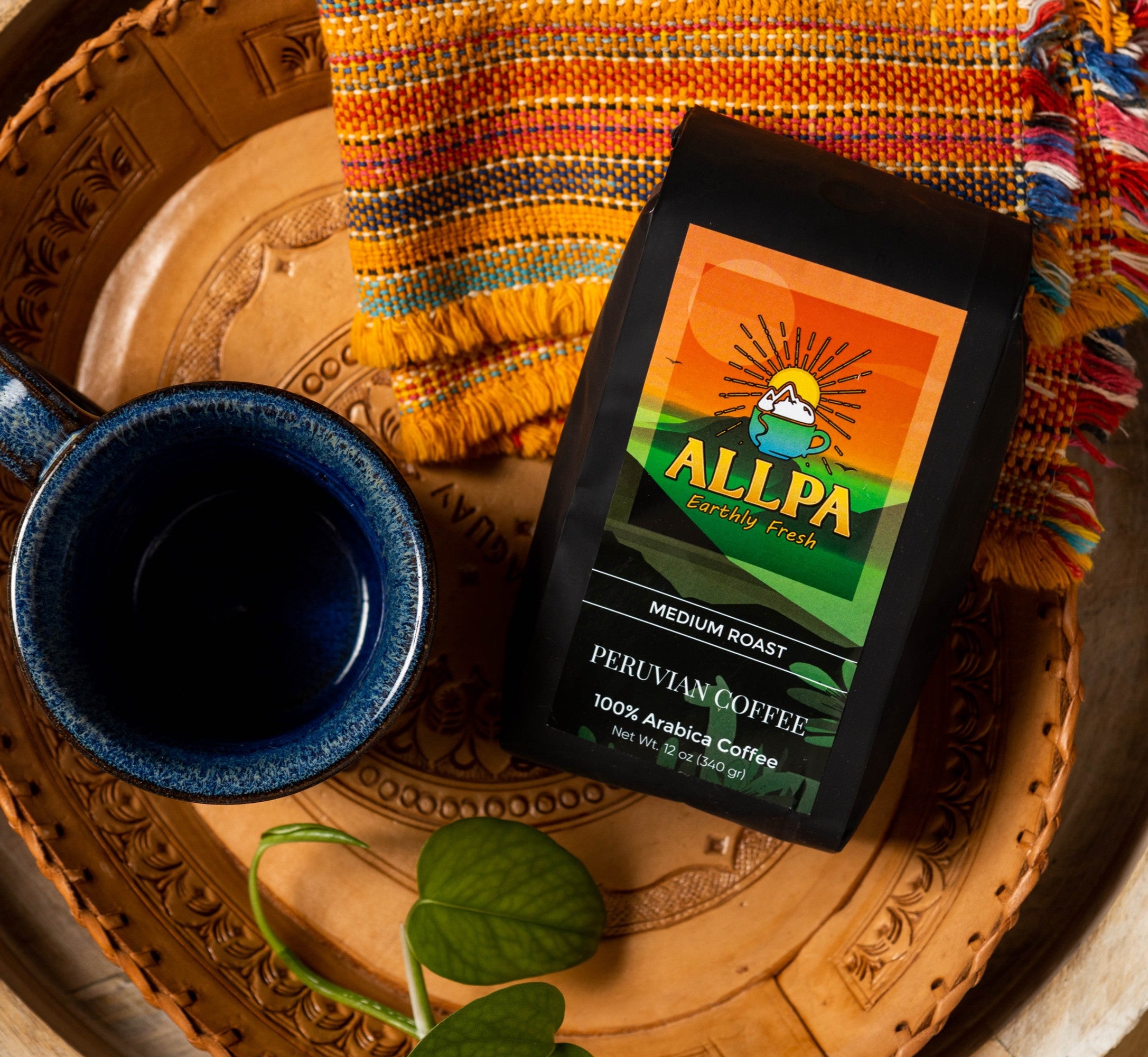
We felt that by crafting a premium Peruvian coffee we were bringing a product that fully represented our brand. Peru has an extremely rich culture and a diverse gastronomy, and coffee from here is very rich but very under-represented to specialty coffee lovers everywhere.
Our aim is to change this, one bag at a time.
Allpa Peruvian Coffee, Medium Roast (12oz): $17.99 ($1.50 per unit)
Best For Chocolate and Nutty Flavor Lovers
If your favorite coffee shop order has any hint of "mocha" or "hazelnut" in the name, Peruvian coffee tasting notes are going to feel like home. This is a cup built for people who don't want harsh, ashy bitterness in the way of their morning.
Our medium roast leans into that smooth nutty and chocolate profile on purpose. It's the reason we chose this roast level over a darker one, since a darker roast can burn away those delicate sweet notes entirely.
Best For Bright and Fruity Cup Lovers
Not everyone wants chocolate in their mug. Some of you want a cup that wakes you up with a little citrus snap!
If that's you, look for beans grown in San Martín or Amazonas. Those regions tend to produce brighter, more acidic Peruvian coffee tasting notes, with less of the deep cocoa and more of a lively, almost tropical fruit quality up front.
Why Small Farmers Matter for Peruvian Coffee Tasting Notes
Here's something a lot of people don't realize. The bulk of this specialty coffee doesn't come from giant plantations.
It comes from families.
By choosing Allpa Foods, you're contributing to the economic well-being of local farming communities. That's not a slogan for us, that's the whole reason this business exists in the first place.
Small farms mean more careful hand-picking, and more careful hand-picking means better, more consistent tasting notes in every single bag.
Best For Everyday Brewing at Home
Great tasting notes don't mean much if your setup at home isn't doing them justice. A good brewer matters just as much as the beans do.
We recommend a simple drip method or a French press for whole bean coffee like ours. Both methods let the natural oils come through, which is where a lot of that smooth chocolate sweetness actually lives.
- Grind right before brewing, never ahead of time
- Use water just off the boil, not fully boiling
- Aim for a 1:16 coffee to water ratio for a balanced cup
Best For Gifting: The Peruvian Coffee Experience Bundle
Sometimes you want to share the whole story, not just one bag. That's exactly why we built a bundle around it.
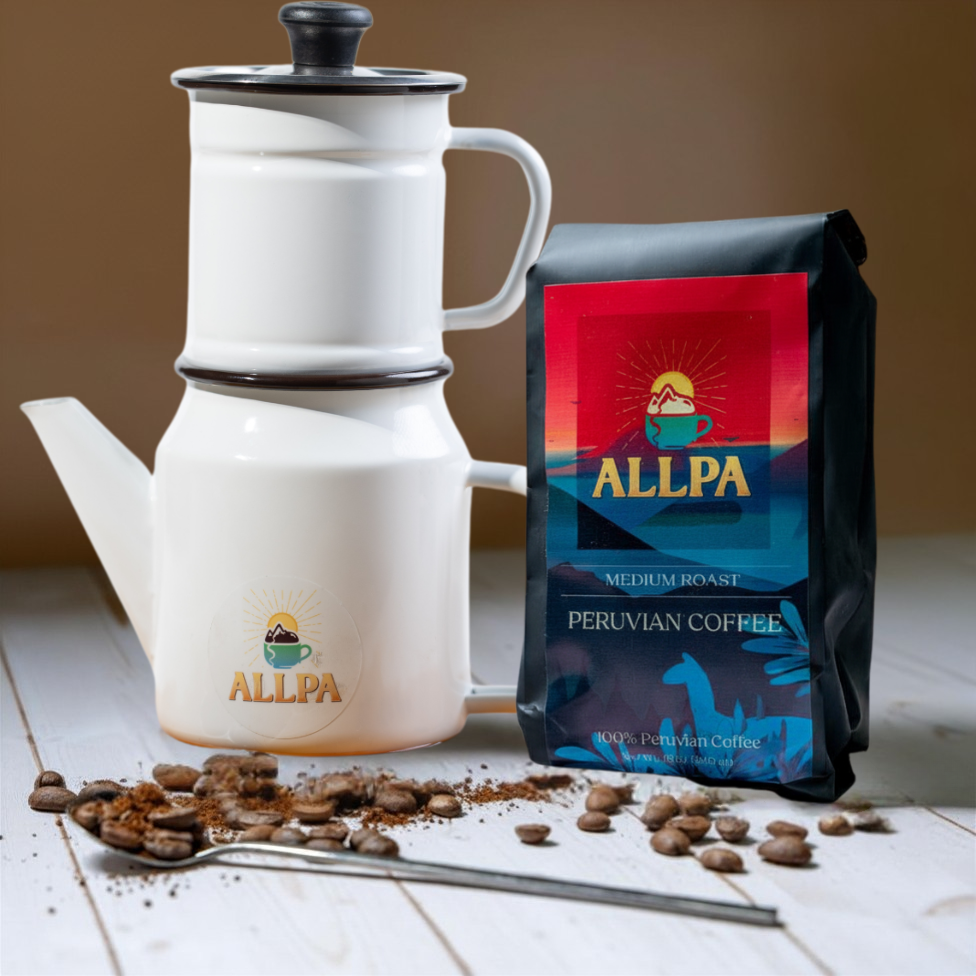
It's a wonderful way to introduce a friend, a coworker, or your whole family to the full range of Peruvian coffee tasting notes in one gift. It also just feels good giving something that helps out farmers far away!
How to Taste Peruvian Coffee Like a Pro
You don't need to be a certified cupper to notice good tasting notes. You just need to slow down for a minute.
ONE, smell the grounds before you even add water. TWO, take a slurp instead of a sip, it sounds silly but it really does spread the coffee across your whole palate. THREE, let it cool slightly, since a lot of the sweet and nutty notes actually show up more once it's not scalding hot.
"Specific notes include a smooth nutty and chocolate connotation, making Peruvian coffee a truly one of a kind specialty coffee."
That's not just marketing talk from us. That's genuinely what we taste, cup after cup.
Conclusion
Peruvian coffee tasting notes are smooth, nutty, chocolatey, and sometimes bright and fruity depending on where the beans were grown. It's rich, it's diverse, and it's still way under-represented compared to bigger coffee names.
Our aim is to change that, one cup at a time. Try some peruvian coffee tasting notes today and see what you've been missing!
Frequently Asked Questions
What are the main peruvian coffee tasting notes to expect?
Most Peruvian coffee has a smooth, nutty base with warm chocolate undertones and a delicate sweet finish. Depending on the growing region, you may also notice bright, fruity acidity.
Is Peruvian coffee stronger or milder than Colombian coffee?
Peruvian coffee tends to be smoother and milder in acidity compared to some Colombian coffees, with a rounder, nuttier profile. It's a great choice if you find other origins too sharp or bitter.
What roast level brings out the best Peruvian coffee tasting notes?
A medium roast is ideal, since it preserves the natural sweetness and chocolate notes without burning them away. Darker roasts can mask the delicate flavors that make this coffee special.
Is Peruvian specialty coffee worth trying in 2026?
Yes, absolutely. With export prices climbing and demand for specialty coffee growing worldwide, 2026 is a great year to discover peruvian coffee tasting notes before this hidden gem becomes common knowledge.
Why does Peru's coffee taste different from region to region?
Peru grows coffee across 16 distinct regions, and altitude, soil, and shade all shape the final cup. That's why San Martín tastes brighter while Cajamarca leans deeper into chocolate and caramel.
Does buying Peruvian coffee actually help farmers?
Yes, since around 85% of Peruvian coffee growers are small producers working just 1 to 5 hectares. Choosing Peruvian coffee directly supports these family farms and their communities.
What's the best way to brew Peruvian coffee at home?
A drip brewer or French press works best for whole bean Peruvian coffee, since both methods let the natural oils and sweetness come through. Grinding right before brewing makes a noticeable difference in the final tasting notes.