
Did you know that milk and white chocolate, the versions with the LEAST cacao and the MOST sugar, held nearly half (47.78%) of the entire global chocolate market in 2025? That's a huge number considering how much healthier the raw stuff actually is for you! Understanding cacao powder vs cocoa nutritional differences is the first step to making smarter choices in your kitchen, and honestly, it's simpler than it sounds.
Key Takeaways
| Question | Quick Answer |
|---|---|
| What's the main difference between cacao powder and cocoa powder? | Cacao powder is made from raw, cold-pressed beans. Cocoa powder is roasted at high heat, which changes both flavor and nutrients. |
| Which one has more antioxidants? | Cacao powder wins here! Minimal processing preserves way more of its natural flavonoids. |
| Is cacao powder healthier than cocoa powder? | Generally, yes. Less heat and no alkalization means more magnesium, iron, and antioxidants survive. |
| Can I substitute one for the other in recipes? | Usually, but cacao has a more bitter, earthy taste, so you may want to adjust sugar levels. |
| Is Dutch-processed cocoa less nutritious? | Yes. The alkalization process (Dutch processing) strips away a large chunk of the natural beneficial compounds. |
| Where does Allpa Foods cacao powder come from? | Straight from Peru! Check out our cacao collection to see the full lineup. |
| Which is better for smoothies and baking? | Cacao powder for maximum nutrition, cocoa powder for a smoother, more classic chocolate flavor. |
What Is Cacao Powder? Meet the "Food of the Gods"
The original name given to the cacao tree was Theobroma, which translates to Food of Gods in Greek. Pretty fitting, right?
Cacao powder starts with raw cacao beans that get cold-pressed at low temperatures. This gentle process is exactly why cacao powder vs cocoa nutritional differences exist in the first place!
Because the beans never see high heat, cacao powder keeps most of its:
- Natural flavonoids and antioxidants
- Magnesium and iron
- Fiber content
- Earthy, slightly bitter flavor
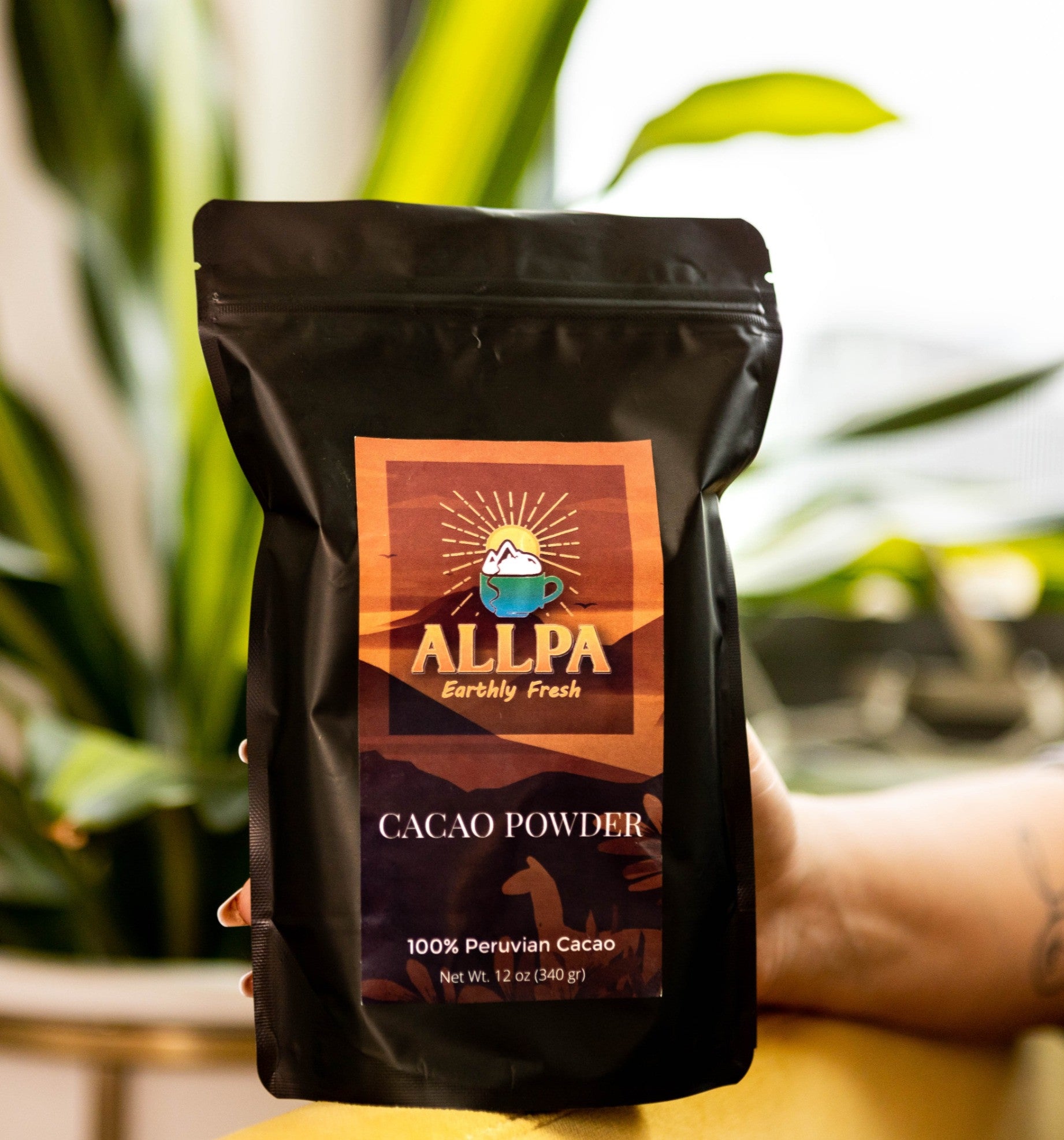
Our own Allpa All-Natural Premium Peruvian Cacao Powder is non-alkalized and lightly roasted, which means it's built to hold onto that natural magnesium and those antioxidants instead of losing them to heavy processing. It's 100% pure and unsweetened, with zero added sugar or fillers.
What Is Cocoa Powder? How Roasting Changes Everything
Cocoa powder starts as the same bean. But then things change.
The beans get roasted at high temperatures, and often, the powder goes through an "alkalization" process (also called Dutch processing) to make it less acidic and less bitter. That sounds nice for flavor, but it comes at a cost.
Here's what typically happens during standard cocoa processing:
- Beans are roasted at high heat, degrading some heat-sensitive nutrients
- The powder may be alkalized, which neutralizes natural acids
- Flavonoid content drops significantly compared to raw cacao
- The final product becomes darker, smoother, and milder in flavor
This is the biggest reason the cacao powder vs cocoa nutritional differences conversation matters so much. One is barely touched by heat. The other is transformed by it.
Cacao Powder vs Cocoa: Nutritional Differences at a Glance
Let's put it side by side. This table breaks down the cacao powder vs cocoa nutritional differences that actually matter to your body.
| Factor | Cacao Powder | Cocoa Powder |
|---|---|---|
| Processing | Raw, cold-pressed, minimally roasted | High-heat roasted, often alkalized |
| Antioxidant Level | High (nutrient powerhouse) | Moderate to low, depending on brand |
| Flavor | Bitter, earthy, bold | Smooth, mild, sweeter-tasting |
| Magnesium & Iron | Higher, closer to natural bean levels | Reduced by processing heat |
| Best Uses | Smoothies, health-focused baking, hot chocolate | Cakes, cookies, everyday baking |
| Added Sugar | None, when unsweetened | Often blended into sweetened products |
Why the Cacao Powder vs Cocoa Nutritional Differences Actually Matter
You might be thinking, does it really matter which one I grab off the shelf? We think it does.
Cacao's flavonoids are linked to heart health support and general wellness benefits that get diminished the more a bean is processed. It's like a secret ingredient that makes everything a bit healthier and more exciting!
Consumers are catching on too. Shoppers are now willing to pay 20-40% more for products they perceive as authentic, ethical, and higher in nutritional quality, like raw cacao powder, compared to standard cocoa.
That price gap tells a story. People want the "Gold of the Incas" version, not the heavily processed one.
Allpa Foods Cacao Powder: Our Take on Cacao vs Cocoa
At Allpa Foods our mission is to provide wholesome and natural food products that tell a cultural story. Our Peruvian cacao is exactly that kind of story.
We source our cacao powder directly from Peru, where the cacao tree has grown for centuries. Our Allpa Organic Peruvian Cacao Powder is:
- 100% Pure & Unsweetened, with no added sugar or fillers
- Non-alkalized and lightly roasted to preserve natural antioxidants and magnesium
- Ideal for smoothies, baking, and hot chocolate recipes
We currently offer three sizes to fit however you like to use it in the kitchen. If you're just starting out, the 4oz cacao powder is a great way to test it in your favorite recipes. If cacao has already become a kitchen staple for you, the 16oz cacao powder keeps your pantry stocked without running out mid-recipe.
Our 8oz bag runs $13.99, and it's the sweet spot for most households.
How to Use Cacao Powder in the Kitchen (and Skip the Cocoa Downsides)
You don't need to be a professional chef to enjoy cacao powder's benefits. Try adding it to:
- Smoothies: One or two tablespoons gives you a chocolatey boost without added sugar
- Hot chocolate: Whisk cacao powder with warm milk (dairy or plant-based) and a touch of natural sweetener
- Baking: Swap it into brownies or cookies for a richer, more complex flavor
- Overnight oats: Stir it in the night before for a chocolate breakfast that still feels wholesome
It's pretty cool to think that by choosing raw cacao over standard cocoa, you're not just changing a recipe, you're connecting with ancient traditions that go back generations in Peru.
Choosing Between Cacao and Cocoa: Which One Should You Buy?
Here's our honest take on when each one makes sense.
Pick cacao powder if:
- You want maximum antioxidants and minerals
- You're building smoothies, health bowls, or clean-label recipes
- You enjoy a bolder, more bitter chocolate flavor
Pick standard cocoa powder if:
- You need a milder, smoother flavor for classic desserts
- You're following a traditional recipe that specifically calls for Dutch-processed cocoa
The good news? The market is shifting in cacao's favor. The dark chocolate segment, which typically contains higher concentrations of cacao bioactives, is projected to grow at a 7.74% CAGR through 2031, driven largely by rising health awareness.
The Peruvian Origin Story Behind Our Cacao Powder
Peru is rich and diverse in healthy and wholesome food. Try some today!
Cacao has grown in Peruvian soil since ancient times, long before it became a global commodity. When you learn about our origin story, you'll see this isn't just about a food trend, it's about honoring where this bean came from.
By choosing Allpa Foods, you're contributing to the economic well-being of local farming communities. Every bag we sell helps build economic bridges between small Peruvian farms and kitchens all over the world.
We invite you to read more about our story and how it connects to everything we sell.
Conclusion: Cacao Powder vs Cocoa Nutritional Differences, Decided
When it comes down to cacao powder vs cocoa nutritional differences, the answer is pretty clear. Cacao powder keeps more of its natural antioxidants, minerals, and flavor because it skips the heavy processing that cocoa goes through.
Cacao powder isn't just for health nuts, it's for anyone who likes yummy food that also happens to be good for them! We'd love for you to try our Allpa cacao and see the difference for yourself.
Frequently Asked Questions
Is cacao powder better than cocoa powder for health?
In most cases, yes. Cacao powder keeps more antioxidants, magnesium, and iron because it isn't roasted at high heat or alkalized the way standard cocoa often is.
Can I use cacao powder instead of cocoa powder in recipes?
Yes, you can usually substitute one for the other in a 1:1 ratio. Just remember cacao powder tastes more bitter and earthy, so you may want to adjust your sweetener.
Why is Dutch-processed cocoa less nutritious than raw cacao?
Dutch processing (alkalization) neutralizes the natural acids in cocoa to smooth out flavor. Unfortunately, this same process strips away a large portion of the flavonoids that make cacao so beneficial in the first place.
Is raw cacao powder worth the extra cost in 2026?
We think so! Studies show consumers are already paying 20-40% more for authentic, minimally processed cacao because the nutritional payoff is real, and demand for it keeps growing year over year.
Does cacao powder have caffeine like coffee?
Cacao contains a small amount of natural caffeine along with theobromine, a milder stimulant. It's nowhere near as strong as a cup of coffee, but it can still give you a gentle energy lift.
What makes Allpa Foods cacao powder different from grocery store cocoa?
Our cacao powder is 100% pure and unsweetened, sourced directly from Peru, and it's non-alkalized and lightly roasted to preserve its natural nutrients. It's a small but meaningful way to connect with ancient Peruvian traditions every time you bake or blend a smoothie.
How should I store cacao powder to keep its nutrients intact?
Keep it in a cool, dry, airtight container away from direct sunlight. This helps protect the antioxidants and flavor for months after opening.